

























































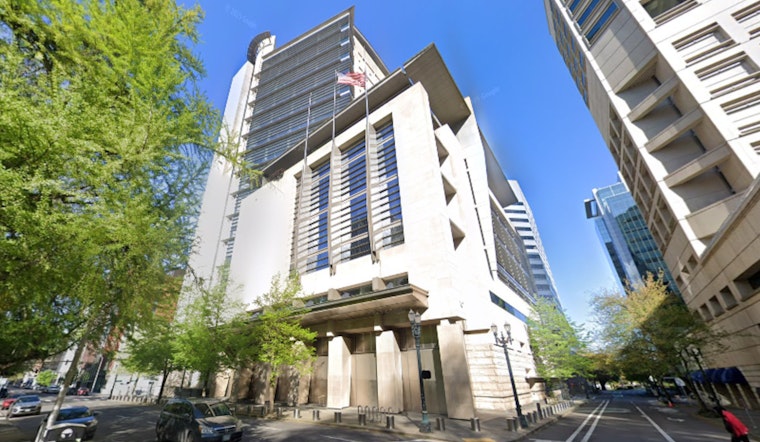
Multnomah County District Attorney Nathan Vasquez is tightening the screws on Portland's drug deflection system. On Monday, he announced that his office will begin prosecuting people arrested for drug possession if they do not "meaningfully engage" with the county's deflection program within 90 days. The move shifts the county away from a deflection-first model and toward using prosecution as a clear backstop for those who walk away from treatment offers, a change Vasquez says follows a yearlong review and is meant to connect accountability directly to services.
What the D.A. changed
Under the new directive, prosecutors are instructed to review every Pathway Center referral and check whether the person has actually engaged in services. If the D.A.'s office cannot verify meaningful engagement within a 90-day window, prosecutors are to file charges. If someone completes services during that period, the office will drop the case, according to OPB. Adam Gibbs, general counsel for the D.A.'s office, framed the change as an effort to use the one lever prosecutors truly control, charging decisions, rather than trying to run the county-operated program from the sidelines.
How the deflection program performed
The numbers that prompted the shift are not pretty. A one-year review cited roughly 606 police drop-offs to the Pathway Center and only 113 completed deflections. The center averaged fewer than two visits a day, and many people left before even getting an assessment, according to reporting by FOX 12. Those low participation and completion rates are the data points Vasquez says pushed him toward a tougher charging posture.
County points to earlier wins
County officials counter that the program looked a lot better at the start. In a news release on the initial rollout, the county reported that 67 percent of 212 referred people engaged with deflection services, and that referrals for housing, peer support, and outpatient care were the most common next steps, according to Multnomah County. The county also noted that it was already piloting transportation options and adding sobering beds in an attempt to make it easier for people to get into care and stay there.
Seattle's different tack
North up I-5, Seattle is leaning the other way. Seattle City Attorney Erika Evans issued a Jan. 1 memo telling her office to re-review some possession and public-use police reports for possible diversion into the LEAD program instead of immediate prosecution, according to Axios and the memo posted on DocumentCloud. At the same time, Seattle officials and the mayor's office say police there have kept up the pressure on felony trafficking and serious narcotics cases, pointing to increases in trafficking prosecutions through September 2025 and noting that the third-quarter total already exceeded all 2024 cases, according to the Mayor's Office.
Voices in Portland
On the ground in Portland, reaction has been cautious rather than fiery. The executive director of CityTeam Portland said a mix of "compassion and consequences" could lead to better outcomes for people in addiction, as reported by Willamette Week. Other leaders are less optimistic, warning that the treatment system is already stretched thin. Commissioner Meghan Moyer argued that the current model "doesn't fundamentally work," and the county sheriff has stressed that jails are not set up to function as treatment centers, a point highlighted in national coverage by Fox News. The core tension is straightforward and unresolved: how to demand accountability when there may not be enough beds or services to catch everyone who says yes.
Policy and legal context
Vasquez's move unfolds in the middle of Oregon's broader pivot on drug policy. After lawmakers reversed Measure 110, House Bill 4002 re-criminalized drug possession while providing new funding and giving counties wide latitude to design their own deflection programs, as explained by OPB. Prosecutors have been clear that their role is limited to deciding whether to file charges, which is why the D.A.'s office is using charging policy as its main tool to push for stronger program results.
What to watch next
Vasquez says his office plans to work with the county health department and county commissioners to track how often people engage with the Pathway Center and to refine the criteria that trigger prosecution. County officials, for their part, point to planned tweaks to the program intended to boost follow-up and improve access to services, according to Multnomah County. Local reporters have noted that the D.A. set an early-January timeline for rolling out the policy, and advocates and service providers will be watching closely to see whether tougher charging rules nudge more people into treatment or simply channel more of them into the criminal system.





