

























































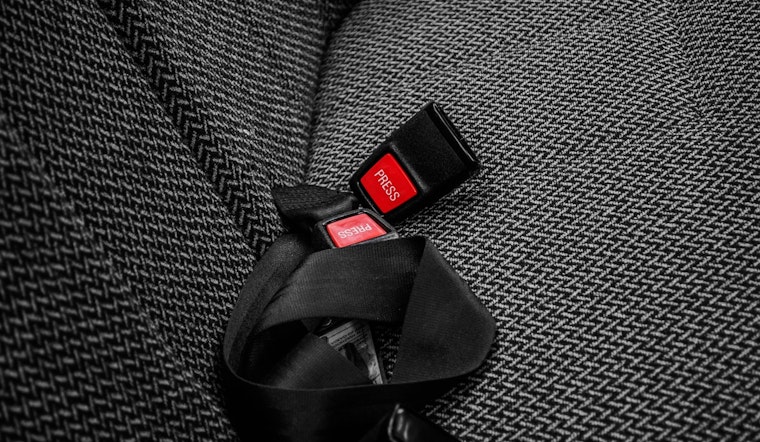
The Portland Police Bureau (PPB) is teaming up with other law enforcement agencies across Oregon for a safety push focused on buckling up. From January 26 through February 8, officers will be on the lookout for those not adhering to safety belt and child seat laws, an initiative supported by federal funds. This effort is anchored by a 2017 Oregon law requiring children under two years of age to ride in a rear-facing safety seat, as reported on Portland.gov.
Recent statistics highlight the critical nature of this campaign. In 2022, nearly half of the 25,420 passenger vehicle occupants who died in crashes in the United States were not buckled, underscoring the lethal mistake of neglecting seatbelt use. The PPB continues to emphasize that proper safety belt use is not optional, but a Class-D legal requirement in Oregon. In an effort structured to reduce highway fatalities, authorities encourage drivers and passengers alike to take this law seriously.
Child Passenger Safety Week, slated for September 20-26, serves as a reminder for parents to check that their child's car seat is suitable for their age and size. Certified Child Passenger Safety Technicians will offer their expertise at public events nationwide, where parents can get their car seats checked for free, ensuring their young passengers ride securely. The PPB, in collaboration with OHSU, is also providing valuable guidance with a video on how to correctly secure children in vehicles.
Data from the Fatality Analysis Reporting System (FARS) for 2023 cites that the absence of a safety belt or child restraint was linked to approximately 30%, or 111, of a total of 365 motor vehicle occupant fatalities in Oregon. Car seats and booster seats drastically improve the odds of surviving a crash for children, and are far more effective than safety belts used alone. In fact, a car seat can increase crash survival by 71% for infants, and a booster seat can cut down the chance of nonfatal injury for older children significantly.
The importance of the 2017 Oregon law extends beyond compliance; it is a measure in place to offer increased protection for a child's head, neck, and spine during a collision, better distributing the force of impact and restricting forward or lateral head movement than forward-facing seats. As Oregon's safety belt and child seat laws continue to evolve, the PPB and its partners persist in their pursuit of public education aiming to keep all road users, especially the most vulnerable, safe from harm.





