

























































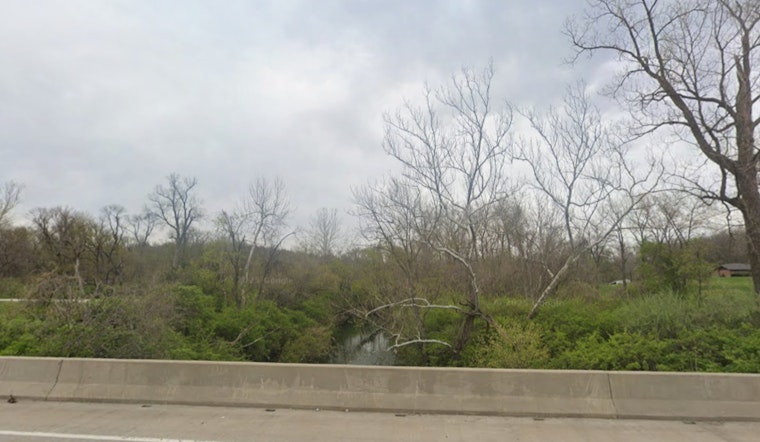
Neighbors in North St. Louis County are no longer content to wait quietly while radioactive waste lingers along Coldwater Creek. A newly formed community advisory group is banding together residents, cancer survivors and local advocates who say contamination from wartime-era nuclear work still shows up in yards and on school grounds. The North County Community Advisory Group plans to press federal agencies for firm cleanup dates, health screenings and long-term tracking for families who live along the creek corridor.
According to KSDK, the group is chaired by Dr. Chantelle Jones, with a board that includes Tina Thames, Karen Nickel, Danielle Spradley as secretary, Ashley Bernaugh as vice chair and Andrew Kerckhoff as treasurer. Committees are already set up for technical review and publicity, and organizers have shared a contact email at [email protected]. The group says it will meet publicly on the first Thursday of every month, with its next advertised session slated for Thursday, April 2, 2026, where members plan to push for plain-language updates and specific benchmarks from regulators.
Federal Cleanup And Long Timeline
The U.S. Army Corps of Engineers is overseeing testing and remediation along Coldwater Creek under the Formerly Utilized Sites Remedial Action Program, or FUSRAP. The agency has installed new FUSRAP signs and finished bank restoration work in the corridor, according to the U.S. Army Corps of Engineers, St. Louis District. Federal records and investigative coverage trace the pollution back to improperly stored uranium and other radioactive byproducts from the Manhattan Project era, and some individual properties have already been sampled and cleaned up as testing continues, as reported by The Associated Press.
Planning documents and local coverage put the projected end of major cleanup work somewhere around 2038, a finish line that feels painfully far off to many residents. The St. Louis Post-Dispatch has mapped out that long-range schedule, and the new advisory group says it intends to challenge that pace.
Community Health Fears And RECA Help
Members of the advisory group say this fight is about both current health worries and the safety of future generations. They are calling for easier access to medical screenings, better public education about risks and continued environmental monitoring for households in the creek floodplain. KSDK reports that Jones' Pink Angels Foundation has been helping people apply for benefits under the Radiation Exposure Compensation Act and says it has assisted about 2,500 applicants since September. The St. Louis County Library also lists Pink Angels as a local RECA help center.
Beyond the paperwork, the advisory group is pushing for clear, public-facing progress markers so residents can follow along as contaminated spots are identified and fixed, instead of feeling left in the dark about what is happening in their own neighborhoods.
What Comes Next For Residents And Regulators
Organizers say they plan to keep the pressure on while still trying to build a working relationship with the agencies in charge. The Corps has said it will continue phased testing and cleanup under FUSRAP and has held open houses to explain current and upcoming work, according to the U.S. Army Corps of Engineers, St. Louis District. The advisory group says it will track those timelines openly at its monthly meetings and through broader community outreach.
Legal And Compensation Note
County resources say people who believe they were exposed to Coldwater Creek contamination may qualify for payments or assistance under the Radiation Exposure Compensation Act. Congress reauthorized the program in 2025, and that expansion brought more St. Louis-area residents under its umbrella. Those seeking help with documentation or claims can turn to local RECA assistance centers and county information pages that explain who is eligible and how to file.




