

























































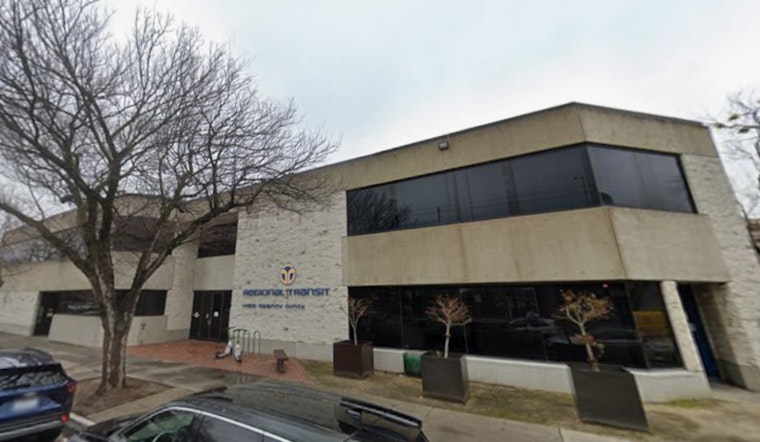
Sacramento Regional Transit is in for a major overhaul, with nearly $40 million in fresh federal funding set to swap out dozens of aging buses and revamp worn maintenance facilities. Transit officials say the cash infusion is aimed squarely at cutting breakdowns and lowering emissions on key all‑day routes across the region, as reported by SacRT.
What the grant will buy
According to SacRT, the $39.67 million award will replace 49 older compressed‑natural‑gas (CNG) buses and help pay for upgrades to bus maintenance infrastructure that the agency says will boost reliability. SacRT frames the investment as a way to support frequent service on busy routes while also expanding access in underserved neighborhoods.
Why SacRT says the upgrade is urgent
Rep. Kevin Kiley’s office points out that many of the buses on the chopping block are more than 16 years old and have logged over 510,000 miles, a combination that has been fueling frequent mechanical problems and shrinking the number of vehicles SacRT can reliably keep on the road. In a statement, Kiley casts the award as a way to restore reliability and protect service for the tens of thousands of riders who depend on SacRT every day.
The federal program behind the cash
The money flows through the Federal Transit Administration’s competitive Low‑or‑No Emission Vehicle and Grants for Buses and Bus Facilities programs, part of a broader federal push to modernize bus fleets under the Bipartisan Infrastructure Law. The FTA has used the same programs to fund similar projects across the country that prioritize low‑ and zero‑emission vehicles along with key facility upgrades.
Rider benefits and projected savings
SacRT says the buses slated for retirement are only available for service about 56% of the time, a number the agency expects to improve as newer vehicles roll in and reduce on‑the‑road breakdowns and missed trips. In its projections, SacRT estimates that early warranty years on the new fleet could save roughly $1.19 million annually in spare parts, about $827,800 a year in reduced non‑preventive maintenance labor, and another $463,097 in yearly fuel costs.
What comes next
The exact rollout schedule will hinge on procurement, warranty terms and facility work, but officials say riders should start seeing the new buses enter service over the next few years as contracts are locked in. Local coverage by ABC10 and statements from lawmakers highlight broad political backing for SacRT’s bid to modernize its bus network.




