

























































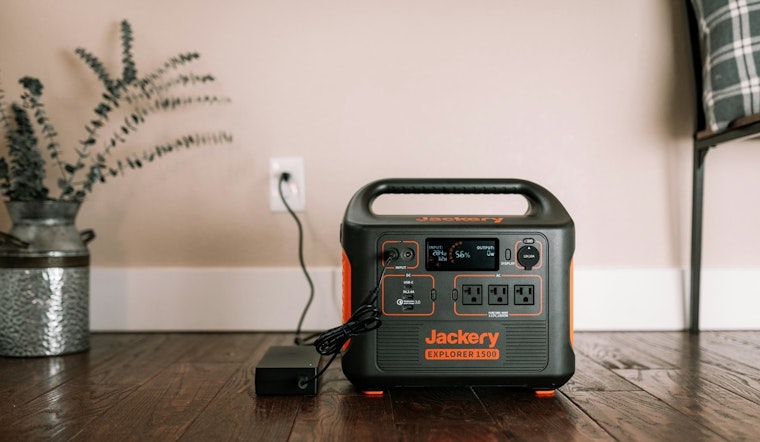
State regulators in Sacramento quietly pulled the plug on a disaster-preparedness program that supplied portable backup batteries, hotel rooms and in-person emergency planning to people with disabilities across Southern California. Independent living centers that ran the Disability Disaster Access and Resources program say the funding cut has already triggered layoffs and stripped away on-the-ground support just as wildfire season and planned power shutoffs loom larger. Advocates warn the move slices through a critical safety net for residents who rely on electric medical equipment to stay alive.
What the CPUC decided
The funding fight played out inside Southern California Edison’s 2025 general rate case, where the California Public Utilities Commission rejected SCE’s request to keep paying for the Disability Disaster Access and Resources program. Regulators labeled the proposal “duplicative and unnecessary.” According to decision D.25‑09‑030 from the California Public Utilities Commission, the commission cut roughly $1.962 million per year that had been forecast for DDAR under SCE’s public safety power shutoff customer-support budget. With that ruling, the ratepayer funding stream that independent living centers had used to operate DDAR in Edison territory effectively disappeared.
How DDAR worked on the ground
On paper, DDAR was a partnership between the California Foundation for Independent Living Centers and local independent living centers. In practice, it meant staff showing up at people’s doors with portable backup batteries, sitting down to build individualized emergency plans, arranging accessible transportation, and lining up temporary lodging for those who depend on electricity for medical care. The program’s website walks applicants through how to qualify, where to find a local DDAR center, and what kinds of in-home support and training centers are offered. As reported by LAist, the California Foundation for Independent Living Centers estimates DDAR supported nearly 600 public safety power-shutoff events since 2023, arranged more than 1,000 hotel stays, and delivered hundreds of backup batteries.
Independent living centers scramble
For the centers running DDAR, the news came fast and hit hard. The Service Center for Independent Life in Claremont said Southern California Edison notified the group on October 17 that funding would end on October 31. In the weeks that followed, the nonprofit had to cut staff after delivering 241 batteries, executive director Larry Grable told the Claremont Courier. Grable stressed that DDAR’s impact went well beyond dropping off equipment. Staff conducted home visits, set up devices and worked with clients to build detailed emergency plans. Now, he said, centers are scrambling for grants and stopgap money to keep any version of those services alive.
The duplication argument and advocates' alarm
In its decision, the commission concluded DDAR’s services overlapped with SCE’s own portable backup offerings and its partnership with 211 LA, so it stripped the DDAR line from the utility’s public safety power shutoff support forecast on that basis. Advocates counter that phone screening and referrals alone do not replace what DDAR offered: in-person education, home visits and highly individualized planning delivered by disability-focused organizations. Maribel Marin, executive director of 211 LA, told LAist that 211 enrolled more than 2,000 callers into DDAR last year but does not have the staffing to provide the one-to-one work DDAR centers carried out. In a November letter, dozens of disability organizations urged the CPUC to restore funding and called the elimination “contradictory and dangerous.”
What comes next
Because the ruling came through SCE’s 2025 general rate case, it now governs the utility’s revenue and programs for the test year and the post-test years covered by that filing. In practical terms, that means any full-scale reconsideration of DDAR-like funding would typically have to wait for SCE’s next multi-year rate case. The public docket for SCE’s case shows the 2025 decision locking in the framework for the current cycle, not just a single year.
Southern California Edison has said it will look to localized resilience efforts instead. The company points to portable battery options, community resiliency zones and partnerships with community groups as part of its plan to rebuild and strengthen service in fire-impacted areas, according to its public statement about its rebuilding strategy.
Advocates say that still leaves a major hole. One-to-one preparedness work requires staff time, training and trust built over repeated visits, and independent living centers warn that a call-center referral is not a stand-in for in-home planning. For now, those centers are piecing together whatever remains of their battery supplies, racing after grants and leaning on referral partnerships while they press regulators and the utility for a longer-term fix.





