

























































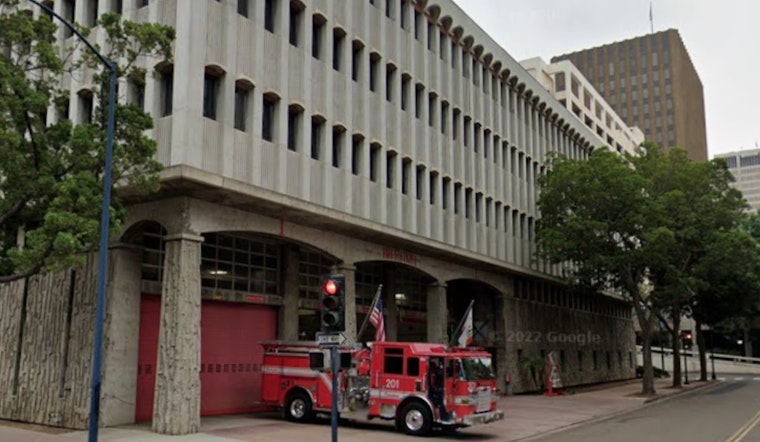
Colin Stowell, the former San Diego Fire-Rescue chief who pushed City Hall to remake its ambulance system, is now on the payroll at American Medical Response just as the company gears up to compete for San Diego's next EMS contract. The move puts one of the main architects of the city’s overhaul back on the private side at a moment when the deal on the table could be worth tens of millions of dollars a year. Stowell says he followed the city’s cooling-off rules and avoided contacting city staff while AMR pursued bids.
How the overhaul began
Stowell set the process in motion in spring 2024 and left the department in August, according to KPBS. After that, the city brought in consultant AP Triton to develop the request for proposals for ambulance services, according to City of San Diego documents. Those solicitation materials make it clear that proposers are not allowed to contact city staff about an active RFP, language that is meant to protect the integrity of the competition.
Now advising AMR
By late 2025, Stowell had moved into the private sector with AMR, joining as Director of Fire Partnerships for California. In a company announcement reported by JEMS, AMR said Stowell will help the firm work with fire agencies and look at system reforms, including nurse-navigation services that steer non-emergency calls to clinical teams instead of ambulances. AMR cast the hire as a way to add fire-agency know-how to its pitches for local contracts.
Ethics questions and the law
As reported by the Times of San Diego, Stowell told reporters he first worked for AMR as a consultant in early 2025 and said he stayed away from contact with city officials until the one-year cooling-off period had run out. San Diego’s ethics guidance bars former employees from being paid to lobby the city for one year after they leave city service, according to the City of San Diego ethics FAQ, and California’s Government Code 71090 generally prohibits officials from taking part in contracts in which they have a financial interest, as explained by the Fair Political Practices Commission. Legal experts say that even when the letter of the rules is followed, the timing and influence involved can still create the appearance of a conflict.
Money on the line
Industry reporting has put the size of the city’s ambulance program at around $60 million a year under the alliance model. Trade outlet EMS1 estimated the figure at about $64.7 million in its analyses of recent arrangements. At that scale, it is not hard to see why bidders are eager to recruit seasoned public-sector leaders. Decisions about who wins the contract can shape both emergency response times and the city’s bottom line.
What’s next
The city says it expects to release a formal RFP for ambulance services in 2026 and that the process will follow standard competitive rules. According to the Times of San Diego, a city spokesperson said proposals will be judged against predefined criteria to ensure an impartial selection, and that any formal complaints would run through the city’s ethics office or state regulators. With bids still in motion, observers say the coming procurement will be a test of how well those procedural safeguards really keep undue influence in check.
The hire highlights a familiar trade-off in local government: agencies want people who know the system from the inside, while residents want clear lines between public decision-makers and private companies angling for contracts. Expect the eventual RFP text and bidder Q&A to get close scrutiny for any hint that prior public work might tip the scales.



