

























































A state appeals court yesterday kept a major jury win in place for former KUSI anchor Sandra Maas, upholding a verdict of about $1.78 million for her and more than $2.3 million in attorneys' fees. The ruling shuts down the station's challenge to her equal-pay and whistleblower claims and marks the latest turn in a yearslong fight over pay inside the San Diego newsroom.
Appeals court affirms trial judgment
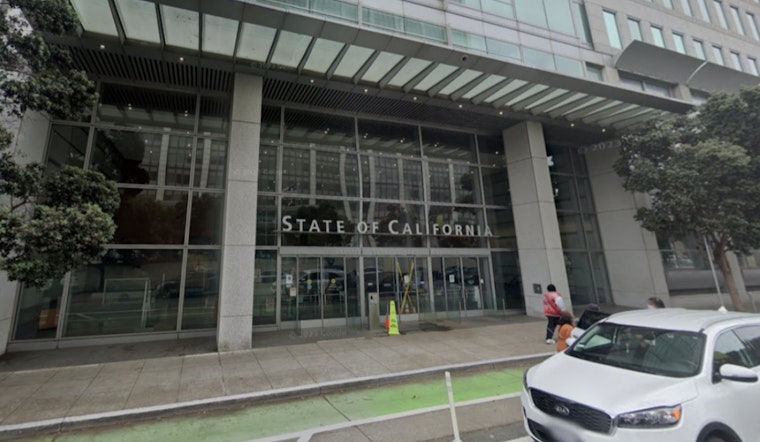
According to the Judicial Branch of California, the Fourth District Court of Appeal, Division One, issued an unpublished opinion on Tuesday (D082767) that fully affirmed the San Diego Superior Court's judgment and the jury's findings. The panel rejected the arguments raised by McKinnon Broadcasting on appeal and left the trial result untouched.
How the trial unfolded
Maas, who joined KUSI in 2004 and exited the station in 2019, accused McKinnon Broadcasting of paying her substantially less than co-anchor Allen Denton, despite what she argued was comparable on-air work. During the 2023 trial, jurors were shown salary information and other personnel records comparing the anchors' compensation, as reported by the Los Angeles Times.
Amount and reaction
The appeals court left intact a roughly $1.775 million award to Maas and upheld an attorneys'-fees award topping $2.3 million, according to The San Diego Union-Tribune. Maas' lead attorney, Josh Gruenberg, told the paper in an email that the opinion "confirmed the jury's findings were supported by substantial evidence and the process was impartial."
Legal context
Under California's Equal Pay Act, an employee who proves they were paid less for substantially similar work can recover unpaid wages, an equal amount in liquidated damages, and reasonable attorney fees. As outlined in California Legislative Information, the law also prohibits retaliation against workers who raise pay concerns and grants prevailing plaintiffs their costs and fees.
What happens next
The station or its owners still have options on paper: they could ask the Court of Appeal for a rehearing or petition the California Supreme Court. But the 4th District's unpublished opinion described the company's appellate challenges as unpersuasive, according to the Judicial Branch of California. For San Diego newsrooms, the decision serves as another reminder that carefully documenting pay decisions and business reasons for any salary gaps is key to lowering the odds of ending up in a courtroom.



