

























































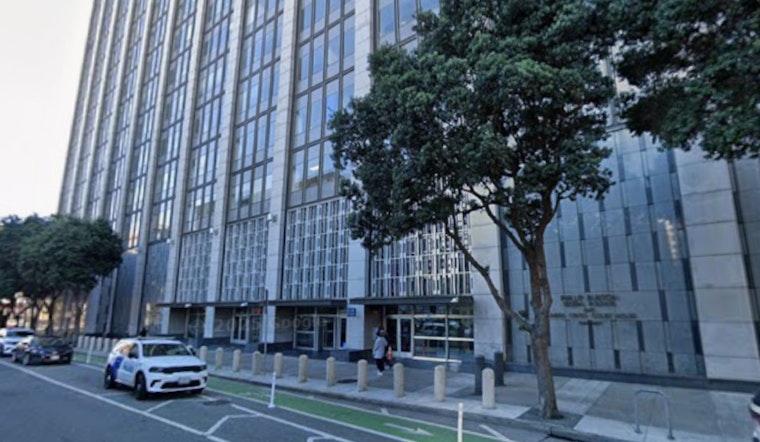
A federal jury in San Francisco yesterday convicted former Google software engineer Linwei Ding, 38, of stealing thousands of pages of the company’s artificial intelligence research and infrastructure documents. Jurors found Ding guilty on 14 counts, seven counts of economic espionage and seven counts of theft of trade secrets, after an 11-day trial before U.S. District Judge Vince Chhabria. The verdict is being treated as one of the most prominent criminal outcomes yet in the Justice Department’s push to stop technology theft tied to foreign adversaries.
The FBI’s San Francisco office highlighted the verdict in a post on X, noting the bureau’s investigative role and linking to the Justice Department’s statement. FBI San Francisco said the case reflects the agency’s commitment to protecting Silicon Valley innovation.
Today, a federal jury convicted former Google software engineer Linwei Ding, also known as Leon Ding, 38, on seven counts of economic espionage and seven counts of theft of trade secrets for stealing thousands of pages of confidential information containing Google’s trade secrets… pic.twitter.com/f05Ayv0O20
— FBI SanFrancisco (@FBISanFrancisco) January 29, 2026
What prosecutors said jurors saw
According to a press release from the U.S. Attorney’s Office for the Northern District of California, prosecutors presented evidence that Ding copied more than two thousand pages of Google documents between roughly May 2022 and April 2023 and uploaded them to a personal Google Cloud account. The U.S. Attorney's Office says the materials included architecture and code for Google’s Tensor Processing Unit chips, GPU systems, cluster management software, and custom SmartNIC network cards used in the company’s AI supercomputers. Prosecutors walked jurors through that technical material over the course of the 11-day trial before Judge Chhabria.
Alleged ties to China-based startups
Prosecutors told jurors that while still employed at Google, Ding secretly affiliated himself with two China-based technology companies and pitched investors on building an "AI supercomputer" using copied Google technology. Reuters and court filings show he applied for a Shanghai talent program, formed a China-based company, and in December 2023, less than two weeks before he resigned from Google, downloaded the materials to a personal computer.
Penalties, court calendar, and legal stakes
The DOJ press release says Ding faces up to 15 years in prison for each economic espionage count and up to 10 years for each theft of trade secrets count, with a status conference set for Feb. 3. The U.S. Attorney’s Office added that any sentence will be imposed only after the court considers the federal sentencing guidelines and other statutory factors.
Why the case matters locally and nationally
Prosecutors have framed the case as part of a broader enforcement effort to keep advanced computing and AI know-how from flowing to hostile actors, an initiative tied to the Justice and Commerce Departments’ Disruptive Technology Strike Force. AP has reported that the strike force has prioritized cases involving AI and chip technology, and Hoodline’s coverage of the high-stakes AI secrets showdown followed the lead-up in local filings and scheduling.
Google's response and defense
Google said it cooperated with law enforcement after detecting anomalous activity on its systems, and the company was not charged in the case, according to reporting and court filings. Reuters reported that Ding’s defense argued some of the materials did not qualify as trade secrets and questioned whether Google adequately protected them.





