

























































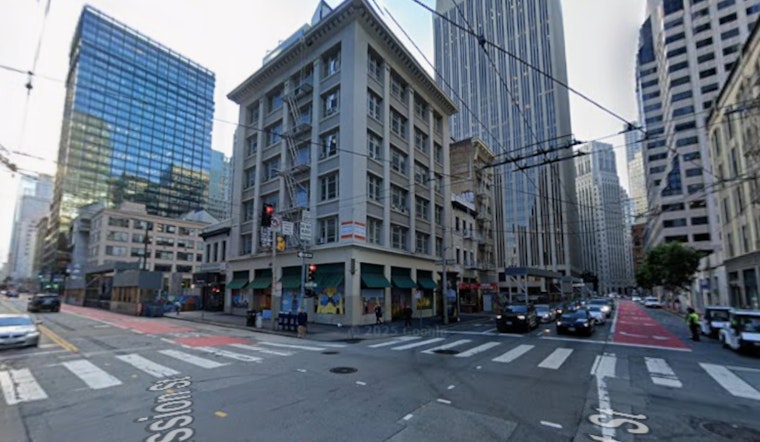
After years of construction gridlock, the Oceanwide Center property at 50 First Street is poised for a fresh start, as city officials and potential new owners push forward with efforts to tidy up the beleaguered site. The site's current temporary pedestrian walkways and chain link fencing — longstanding fixtures that have irked locals and hampered downtown aesthetics — are now slated for removal. This comes in the midst of negotiations with the prospective new ownership, The San Francisco Recovery Fund, which is inching closer to taking over the property in a deal estimated at around $100 million, according to a recent report by the San Francisco Business Times.
The San Francisco Recovery Fund, which aims to revitalize city properties post-pandemic, has placed a nonrefundable deposit on the high-profile site, with full acquisition expected within the next 60 days. This development marks a significant downturn from the pre-pandemic valuation of the project at $1.6 billion, according to SF YIMBY. Despite the absence of concrete plans for the property's future, there's speculation that the new developers may replicate the success of high-end office spaces, such as those at 181 Fremont Street.
Meanwhile, city administrators are not just waiting for the ink to dry on the new deal. They have punctuated their commitment to improve the site immediately, ensuring prompt restoration of public access along the sidewalk. The collaboration involves the San Francisco Office of Economic and Workforce Development (OEWD) and the Department of Public Works (DPW), with the city agreeing to initially cover the costs for the sidewalk fix, estimated at over $185,000, as mentioned in a report by the Business Times. The goal is to effectuate these changes as soon as is humanely possible, Laurel Arvanitidis, director of business development for OEWD, informed the San Francisco Business Times.
The new fencing materials, promised by Dan Kingsley of the San Francisco Recovery Fund, are expected not only to physically demarcate the site but also to enhance its appearance through positive messaging about San Francisco, a transformation that area commuters have been awaiting since the project stalled. Adding context, Alex Tourk, representing the San Francisco Recovery Fund, highlighted the need for aesthetic improvement and the group's proactive role in the city-led initiative. It helped facilitate a conversation with the property owner to expedite the city's plan, according to comments relayed by the Business Times.





