

























































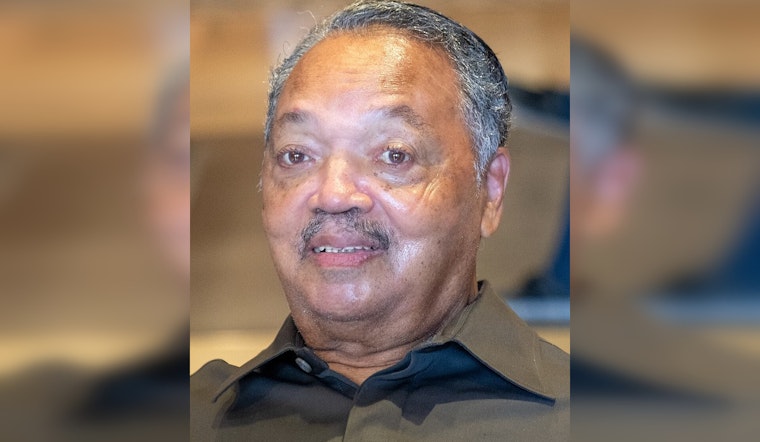
Santita Jackson says her father, Rev. Jesse Jackson, is “doing quite well,” offering a welcome bit of good news after months of public concern over the 84-year-old civil rights leader’s health. Her comment follows a stretch in which family members have shared only occasional updates since his hospitalization and diagnosis late last year.
Daughter's update
Santita Jackson shared the brief update during a segment of The Chicago Report, according to FOX 32 Chicago, saying her father was “doing quite well.” The station posted the segment on Jan. 12, and her remark stands as the clearest recent public family update on the reverend’s condition.
Hospitalization and diagnosis
Jackson was hospitalized in mid-November and was being observed for Progressive Supranuclear Palsy (PSP), Reuters reported. The disorder, originally thought to be Parkinson's disease, was confirmed in April, according to AP News, and family members thanked supporters while he received care.
Family response and recovery
The family publicly pushed back on reports that Jackson had been placed on life support, saying he was “breathing without the assistance of machines,” as reported by Newsweek. Local outlets later noted his discharge from Northwestern Memorial Hospital, followed by a period of additional care and rehabilitation, according to NBC Chicago.
What progressive supranuclear palsy means
Progressive supranuclear palsy is a rare neurodegenerative disorder that affects walking, balance, eye movements, and swallowing, and currently has no cure, per the Mayo Clinic. Treatment focuses on managing symptoms with physical and speech therapy, mobility aids, and medications that target motor problems in an effort to preserve quality of life.
Where things stand
Santita Jackson’s comment is the latest public family update after months of coverage following Jackson’s path from hospitalization to convalescence. Earlier reporting from local outlets traced those steps and the reactions to them. For background, his November hospitalization was documented at the time, and the family’s statements indicate his care remains in medical hands with relatives playing a central role in decisions.





_(cropped).jpg)