

























































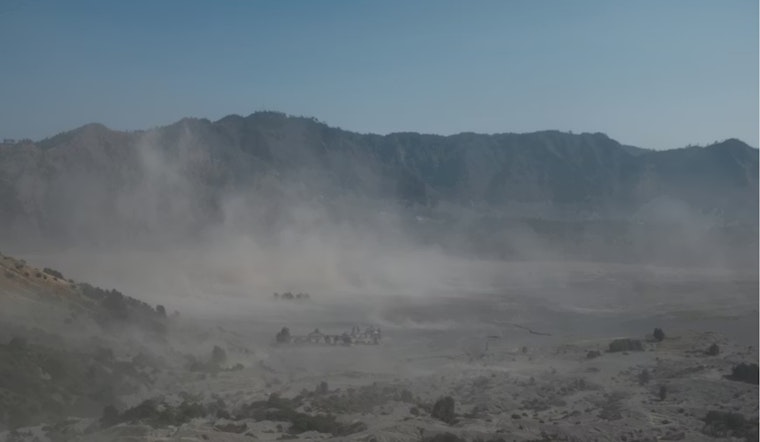
A video that aired Tuesday on ABC4 shows thick clouds of dust blowing off the exposed bed of the Great Salt Lake and rolling toward the Wasatch Front, raising new alarms about what millions of nearby residents might be breathing. As the lake keeps shrinking, more playa, the dusty, salt‑rich mudflats left behind, is laid bare and exposed to powerful winter winds. Scientists and state officials say those plumes can spike particulate pollution and may carry trace chemicals that are especially worrisome for children and people with asthma or other respiratory diseases.
The ABC4 segment, titled "Tracking the Great Salt Lake Dust Exposure," stitches together satellite imagery with on‑the‑ground video to show how fast the newly exposed sediments are turning into airborne dust, and it warns that those materials could pose a health risk to nearby communities, according to ABC4. The piece, which also aired Tuesday, lands on top of a growing pile of scientific papers and government reports from the past two years that have zeroed in on the lake’s dust problem.
New Science Shows Inflammatory Risks
A 2025 study in the journal Particle and Fibre Toxicology found that inhaled Great Salt Lake dust triggered acute inflammatory responses in both mice and human airway cells. The results suggest that breathing this kind of dust can aggravate asthma and other lung conditions. The peer‑reviewed study also identified salts, metals, and bacterial products in the particles, and the authors warned that vulnerable groups could face stronger or longer‑lasting effects when dust events hit.
USGS Flags Hotspots and Child Exposure
The U.S. Geological Survey sampled dust across northern Utah and concluded that playa sediments from Farmington Bay and Bear River Bay, areas that are now frequently dry, contain priority‑pollutant metals and could pose ingestion and inhalation hazards for young children, according to the USGS. That work has helped guide where the state should focus additional monitoring and public‑health outreach.
Monitoring Network Still Thin
Even as the research base grows, Utah’s PM10 monitoring network still has big gaps, and routine air reports often skip over the larger dust particles that dominate Great Salt Lake plumes, The Salt Lake Tribune reported. Experts told the paper that many widely used air‑quality feeds emphasize PM2.5 and ozone, which can leave residents in the dark about sudden spikes in coarse dust and make timely public warnings harder.
State Plans, But Fixes Are Costly
The Utah Division of Water Resources has outlined an integrated plan that calls for expanded dust monitoring and targeted mitigation projects as part of broader Great Salt Lake efforts, according to the Utah Division of Water Resources. Agency officials and outside experts say that putting more water back into the lake is still the most durable solution, but they also note that large‑scale dust control can be expensive, a lesson drawn from California’s Owens Lake, where dust mitigation has cost billions, according to reporting by the Great Salt Lake Collaborative.
How Residents Can Protect Themselves
State air and health agencies urge residents to keep an eye on dust forecasts, cut back outdoor activity when plumes roll in, and use HEPA filtration or masks in high‑exposure conditions, according to the Utah Division of Environmental Quality. The agency notes that historical PM10 data have not shown a clear rise in airborne arsenic tied directly to the lake’s retreat, but it also stresses that more sampling and a broader monitoring network are needed to understand long‑term exposure risks.
The latest ABC4 reporting lands as scientists and state agencies push for more air monitors and water‑management moves that keep the playa wet, steps many researchers see as the most reliable way to head off a dustier future. For now, the practical advice for people along the Wasatch Front is blunt: watch local air forecasts, take extra care on dusty days, and expect lakebed dust to stay on Utah’s research and policy agenda this year.





