

























































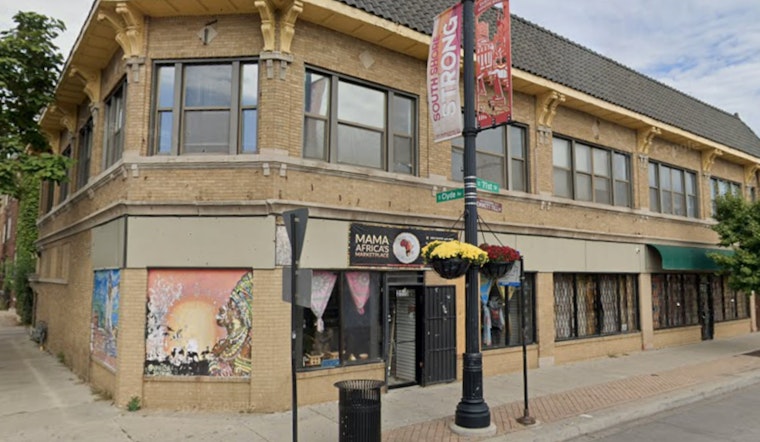
Mama Africa’s Marketplace, the small Black-owned cultural shop and community space on South Shore’s 71st Street, is staring down a move-out deadline set for next Friday, according to owner Lakiesha Infarinu Williams. The landlord has told her to clear out as a buyer lines up to take over the building. For five years, the storefront has pulled double duty as a market, cultural center, and resource hub, hosting vendors, classes, and weekly meal distributions. All of this is unfolding just as the Obama Presidential Center prepares to open nearby this summer, a shift many residents hope will mean jobs even as they worry it could speed up displacement.
Buyer, Back Rent And Fundraiser
A prospective buyer, Eli Williamson, has told reporters he is under contract to buy the property and wants to expand his Bronzeville nonprofit Leave No Veteran Behind into the South Shore space, community members say. County records and Williams’ account indicate the 71st Street building carries tens of thousands of dollars in unpaid property taxes, and Williams says she is more than $9,000 behind on rent. Neighbors responded with a benefit earlier this month that pulled in more than $14,500. The landlord informed Williams in mid-December that a sale was pending and set the move-out timeline, according to reporting by the Chicago Tribune.
Numbers Behind The Pressure
Investors already hold a big footprint on the South Side. The Institute for Housing Studies at DePaul reports that investors made up 40.8% of single-family home buyers in South Shore in 2024, a striking share compared with most Chicago neighborhoods. The neighborhood’s median household income hovers around $40,000, and the population is overwhelmingly Black, according to data and planners, a mix experts say leaves local owners exposed when the market heats up. The Obama Foundation’s economic assessment projects that the Presidential Center could attract roughly 625,000 to 760,000 visitors annually and support thousands of jobs, projections that analysts say are already baked into private buying decisions and development interest along nearby corridors. DePaul Institute for Housing Studies • WBEZ/CMAP reporting • Obama Foundation
Community Uses And Rescue Efforts
Mama Africa’s own website lists classes, spiritual ceremonies, vendor markets, and weekly food distributions among its offerings, underscoring that it functions as far more than a retail shop. Supporters and other small business owners have rallied, and one friend has offered pre-approved credit in hopes of helping stabilize the operation. Williams says the tangled stack of tax debt, unpaid rent and an active sale agreement makes any quick rescue complicated. With overdue taxes, rising assessments, and a ready buyer in the mix, public records and reporting show residents scrambling for options while the deal keeps moving forward. Mama Africa’s Marketplace • Chicago Tribune
Legal Stakes And What To Watch
Delinquent property taxes and unpaid bills can trigger liens, tax-sale procedures, or other collection actions under county rules, a set of risks small owners face when assessments climb faster than revenue. The Cook County property tax portal lays out payment rules, delinquency timelines, and tax-sale processes and serves as the public record cited in reporting on the building’s tax status. Advocates say they are watching for any formal notices or filings that could determine whether the storefront stays in community hands or ends up as another vacancy on a shifting commercial strip. Cook County Property Tax Portal
What happens next hinges on whether the sale closes and on what the buyer chooses to do with the space, including whether Mama Africa’s cultural and social programs have any future there. Neighbors and organizers say they plan to keep pressing for a solution that protects the shop’s community role while South Shore braces for the economic changes the Obama Center is expected to bring.



