

























































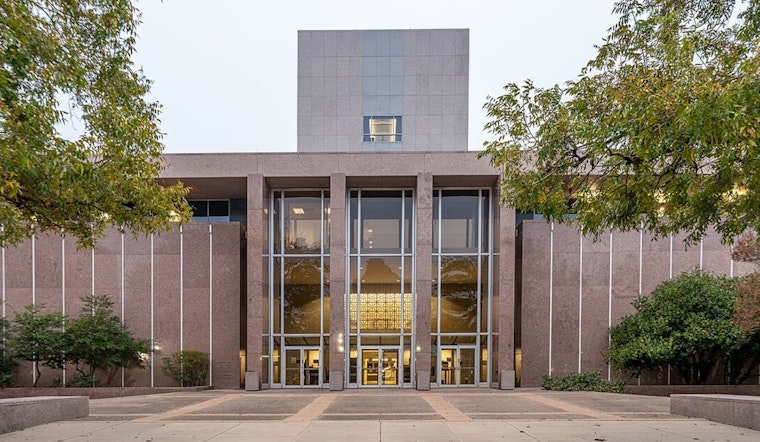
Texas's highest court has officially sidelined the American Bar Association in deciding which law schools qualify their graduates to sit for the Texas bar exam. In a Jan. 6 order, the Supreme Court of Texas adopted amendments that put the state court, rather than the ABA, in charge of the list of law schools whose degrees satisfy Texas's law‑study requirement. For now, the court has rolled out an initial roster that matches the ABA's accredited schools and says it will not remove a school from that list solely because it later loses ABA accreditation.
What the order does
The order finalizes amendments to Rule 1 of the Rules Governing Admission to the Bar, takes effect immediately and reasserts the court's authority over law‑school approval, according to the Supreme Court of Texas. It includes an initial list of approved law schools and explains that currently approved programs will need to meet a limited set of standards to keep that status while the court builds a more formal process for considering non‑ABA programs.
Why supporters backed it
Federal regulators and some policy advocates have cast the move as a way to boost competition and widen access to legal education. In a letter to the court, staff at the Federal Trade Commission backed the rule change and warned that the ABA's institutional role can limit competition and drive up costs for aspiring lawyers, according to the FTC. Supporters also argue that ABA requirements have helped push tuition higher and worsened shortages of lawyers in rural and low‑income communities, as noted by Inside Higher Ed.
Deans and critics raise portability concerns
Opponents, including deans from eight of the state's ten ABA‑accredited law schools, warned during the review that walking away from the ABA's gatekeeping role could raise hurdles for would‑be lawyers and complicate reciprocity with other states, according to Reuters. Critics also point to uneven bar‑exam pass rates among graduates of non‑ABA programs in states that allow them and say weaker oversight could create consumer‑protection risks for clients who need legal help.
Short-term impact for students and schools
In practical terms, the court says it does not expect immediate changes to the approved list of schools and does not plan to add new compliance requirements for programs that already qualify, according to the Supreme Court of Texas. At the same time, the ruling opens a door for schools that lose ABA accreditation, or for non‑ABA programs, to seek approval if they meet what the court describes as "simple, objective, and ideologically neutral" criteria.
Federal clash and what's next
The court's move arrives after months of tension between the ABA and the federal government: Attorney General Pam Bondi pressed the association over diversity standards, and the administration moved to cut certain federal funding streams, steps that the ABA and others have challenged in court, as reported by KERA News. The ABA has responded with its own legal challenges and has described efforts to preserve portability of law degrees while exploring governance changes meant to shield law‑school accreditation from political fights, according to the American Bar Association.
Legal implications
By reclaiming direct control, the Texas Supreme Court has shifted regulatory power back to a state body, a change that could influence where and how law schools seek approval and how easily lawyers move between states. Other jurisdictions are paying attention. Courts and rule makers in Florida, Ohio, and Tennessee have begun similar reviews, which means the national framework for legal education and bar eligibility could start to look very different in the coming months, according to Inside Higher Ed.



.jpg)