

























































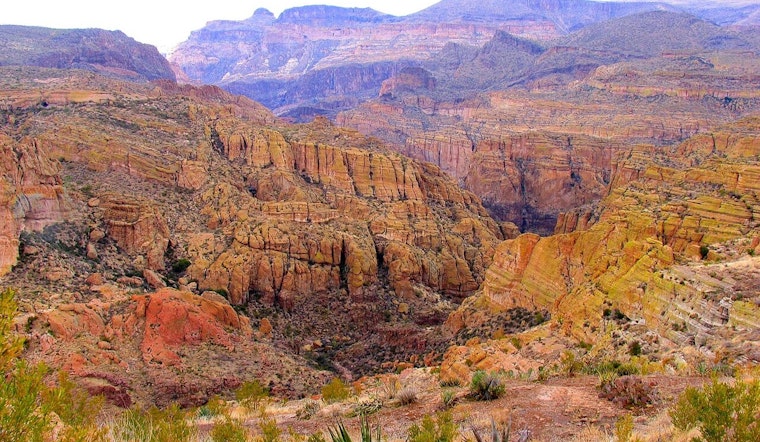
The Tonto National Forest officials have announced the start of controlled burns in various locations within Payson and Pleasant Valley Ranger Districts, spanning from January through February, presuming climate factors align and necessary approvals are obtained. The effort, which aims to thin out excessive vegetation, essentially serves as a proactive measure to shield local communities, vital infrastructure, and natural resources from the devastating impacts of wildfires. Notably, the fire mitigation strategy includes six designated brush pit pile burns: Chase Pit, Conner Pit, Gisela Pit, Pleasant Valley Pit, Ponderosa Pit, and Pine Pit, as reported by the official Tonto National Forest website.
For those living in or navigating through the aforementioned areas, temporary access restrictions are anticipated, the forest service will erect visible warning signs along nearby roads to ensure public safety before and during the execution of these prescribed burns, and it’s key to note that smoke might permeate the local air; hence, the forest service recommends referencing AirNow's website or app for detailed air quality data. Motorists should exercise caution, slowing down and activating headlights when encountering smoke-enveloped sections of road.
Weather patterns play a crucial part in the timing of these burns, and the forest service will evaluate meteorological conditions closely prior to commencing each burn operation, canceling scheduled activities if the conditions seem unfavorable. Staying up-to-date with these activities is possible through the forest's website and social media channels, with the promise of notifications to county emergency management as the burns get underway.
The USDA Forest Service, with a legacy exceeding a century, has historically been a nexus of community and conservation, wielding state-of-the-art science and technology to foster a connection between humanity and the natural world, while simultaneously promoting sustainable economic, ecological, and social health. This federal body administers an approximate 193 million acres of public land, supports state and private landowners, and is home to leading wildland fire research and forestry institutions, on top of overseeing stewardship for about 900 million acres of forests across the United States, which includes urban forests that most Americans call home.





