

























































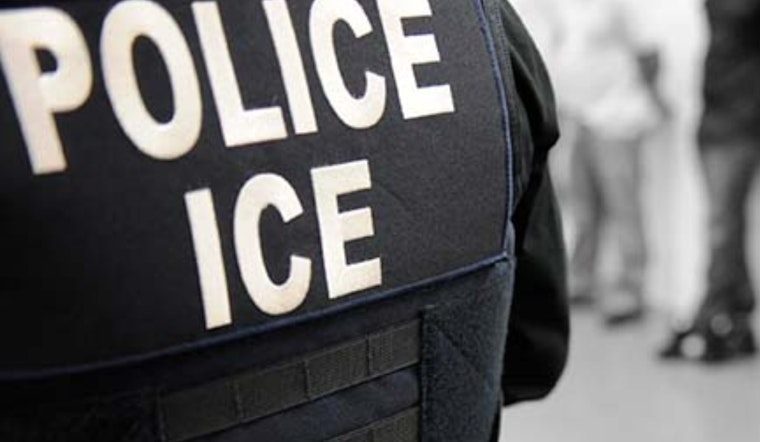
Utah's Paiute Indian Tribe is sounding the alarm and telling members to keep their paperwork close. In a new advisory issued Thursday, tribal leaders urge members to carry a valid tribal identification card along with one other government-issued ID, citing reports from other parts of the country where immigration officers have improperly detained Native people. The notice also walks members through what to do if they are stopped or questioned by federal agents.
The tribe is asking members to double-check that their tribal ID is current, keep it with them at all times and pair it with another government ID. If approached by Immigration and Customs Enforcement, the advisory says members should stay calm, ask to see the officer’s credentials and request to view a valid warrant before answering questions, according to KJZZ.
What tribal leaders recommend
The guidance goes further, telling members to clearly ask for an attorney and to contact tribal officials right away if they are detained. “The Tribe will assist you in securing legal counsel,” the statement says, with leaders also providing contact numbers and suggested wording that members can use when dealing with agents, per KUTV.
Why leaders raised the alarm
The move comes after national outcry over a separate incident involving the Oglala Sioux Tribe, which reported that Immigration and Customs Enforcement detained four of its members during an operation at a homeless encampment in Minneapolis. Oglala Sioux President Frank Star Comes Out argued that tribal citizens “are not aliens and fall completely outside immigration jurisdiction,” according to the Associated Press.
Federal officials have disputed parts of that account, and the Oglala Sioux president later revised sections of his memo, The Washington Post reports. Spokespeople for the Department of Homeland Security said they had not confirmed any arrests of Oglala Sioux citizens and described their efforts as basic identity checks, focused on names and dates of birth rather than seeking a formal agreement or status determination.
Legal note
Tribal leaders in Utah are stressing a key legal point: enrolled tribal members are U.S. citizens by statute, and longstanding treaty relationships can complicate how immigration laws even apply in these situations. Officials say that once a person’s citizenship is confirmed, immigration detention should not continue, according to the Associated Press. Advocates have also warned for years that some officers do not recognize tribal IDs on sight, which is why many Native nations now urge members to carry both tribal and state or federal identification.
Nationwide context
Across the West and Midwest, other tribes are issuing similar alerts and, in some cases, rushing out free or expedited ID cards for members worried they could be misidentified during immigration sweeps. That broader response reflects ongoing concerns about racial profiling and confusion over tribal documentation as federal enforcement operations ramp up, according to national reporting from KPBS.
The Paiute advisory notes that there have been no reported local detentions of tribal members in Utah so far, but leaders say they are closely tracking developments elsewhere and stand ready to help members secure legal counsel if necessary. For now, they are framing the guidance as a practical, precautionary step to cut down on confusion and protect tribal citizens’ rights in any encounter with federal agents, according to KJZZ.





