

























































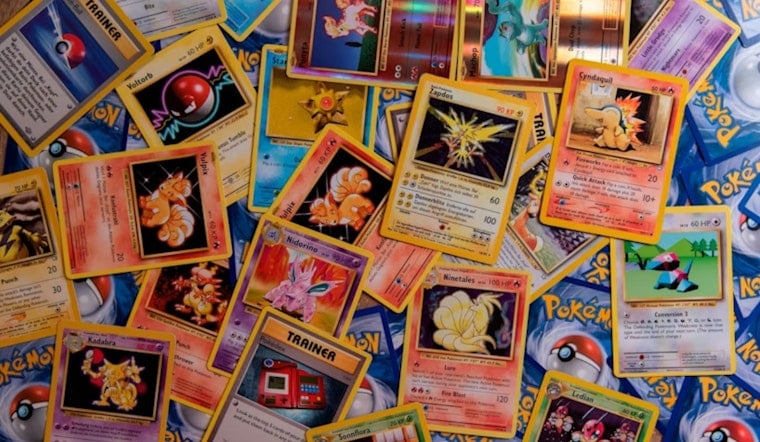
Haley Alejandra Hayward, 29, is facing a long list of felony charges after investigators say she produced and sold counterfeit Pokémon cards to collectors in Saratoga Springs and West Valley City, allegedly walking away with thousands of dollars in cash. Victims told police they believed they were buying graded or rare cards, only to find out the items were fake when local shops took a closer look. Detectives later executed a search warrant and seized printing equipment, boxes of cards, and related materials, according to court documents.
Charges and court filings
Charging papers in the Fourth District Court state that Hayward was first charged on Dec. 22 with theft by deception and 10 counts of forgery, and prosecutors followed up on Jan. 22 with a second set of charges that added communications fraud and more forgery counts, bringing the total to 24 felony counts. The filings link Hayward to several in-person transactions last December and list an address in West Valley City along with ties to an apartment in Saratoga Springs, according to KSL.
Counterfeit cards are a growing headache for collectors
Investigators around the country say they are seeing more complaints about counterfeit trading cards as the hobby grows, and sellers are accused of using both online listings and in-person meetups to move fake inventory. Similar sting-style investigations and arrests in other states show how buyers in multiple areas can be hit when high-dollar cards are advertised as rare or graded, as reported by local coverage of other cases. For context on a recent multi-state fraud probe involving fake Pokémon cards, see reporting from NextShark.
What detectives say they found at her residence
According to the charging documents, officers serving a search warrant on Jan. 6 reported finding boxes of collectible cards, printers, laminators, heat presses, cameras, 3D printing tools, cardstock, and tens of plastic card sleeves, equipment investigators say can be used to turn out convincing counterfeit cards. The affidavit lays out specific deals, including a Dec. 14 sale in a Saratoga Springs parking lot where 10 cards reportedly sold for $4,500, and a Dec. 31 sale of a single card for $1,500. Victims later had those cards inspected and were told they were fake. Detectives also reported finding a counterfeit "Illustrator" Pokémon card among printed sheets and other fake historical-style cards, per KSL.
Legal exposure for Hayward
The charges filed against Hayward include several third-degree felony counts. Utah law allows theft over certain monetary thresholds and forgery to be prosecuted as felonies. Third-degree felonies in Utah can carry penalties of up to five years in prison and fines up to $5,000, although any sentence would depend on the specific statute, prosecutorial decisions, and any prior record, according to a summary of Utah felony penalties. The allegations in the charging documents have not been proven in court, and Hayward is presumed innocent unless she is convicted.
How collectors can protect themselves
Collectors and casual buyers alike can cut their risk by sticking with reputable stores or long-established sellers with strong feedback, asking for high-resolution photos of card fronts, backs, and edges, and insisting on inspecting expensive cards in good lighting before handing over cash. For especially high-value cards, experts suggest using third-party grading or authentication and avoiding private meetups for large cash deals. Hobby guides and collectors’ resources also offer detailed checklists on print quality, card stock, and holo patterns that can help flag counterfeits. For practical tips on spotting fake Pokémon cards, see a collector's guide from Card Chill.
The criminal case is pending in Fourth District Court, and court filings cited in local reporting remain the clearest public window into the allegations and evidence at this stage.





