

























































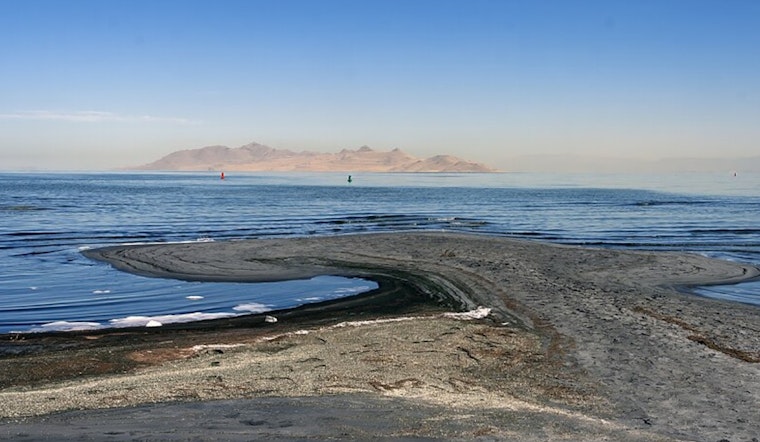
Utah just bought itself a shuttered magnesium plant and a whole lot of water power on the Great Salt Lake.
The Division of Forestry, Fire, and State Lands has emerged as the winning bidder in a bankruptcy auction for the long-idled U.S. Magnesium facility, with plans to stop the plant’s evaporative use and send that water back into the shrinking lake. The state is paying roughly $30 million for the plant’s infrastructure, machinery, and water rights, along with about 4,500 acres on the lake’s southwest shore. U.S. Magnesium has been closed since 2021 and filed for bankruptcy in September 2025 after years of equipment failures, legal fights, and missed cleanup work.
A filing in Delaware bankruptcy court shows the state agency was selected as the winning bidder and that the auction closed Jan. 23. As reported by FOX 13 News, the sale package covers the production infrastructure, on-site machinery, and the company’s water rights.
Plant History And State Action
The Rowley facility has not produced primary magnesium since a catastrophic equipment failure in 2021, but it continued to pull large volumes of brine from the already stressed lake, frustrating regulators. The Utah Department of Environmental Quality rejected U.S. Magnesium’s bid to extend its intake canals in 2022, and the state’s lands division sued in December 2024 to revoke the company’s lease and force remediation, according to The Salt Lake Tribune.
State To Dedicate The Plant’s Water To The Lake
The Division of Forestry, Fire, and State Lands says it will dedicate the water that the plant historically evaporates back to the Great Salt Lake rather than let a private operator keep extracting it. That plan, reported by FOX 13 News, is expected to help shape how the state frames remediation and long-term stewardship of the site, although officials have declined public comment while the sale is finalized.
Cleanup Obligations And Unfinished Work
State and federal records tie the property to long-running cleanup orders, including an unfinished underground barrier meant to keep acidic waste from seeping into the lake. Those environmental liabilities have been flagged in reporting and court filings as central to the bankruptcy fight and to Utah’s effort to keep the plant’s assets out of insider hands, as noted by The Wall Street Journal.
How Much Water Are We Talking About?
State water-rights records show U.S. Magnesium holds long-standing entitlements on the Great Salt Lake that add up to tens of thousands of acre-feet. If those volumes are effectively returned to the lake instead of evaporating in industrial ponds, they could shift the local water budget. The state’s Great Salt Lake Distribution Plan details how those rights are accounted for and how regulators can track dedicated water, and environmental analysts say redirecting the plant’s evaporative use to the lake could be an important piece of restoration efforts. Background on the water accounting and supply stakes is also laid out by Environment.org.
Next Steps In The Bankruptcy Fight
The deal still needs a sign-off from the Delaware bankruptcy court and could draw objections from creditors or regulators who argue that converting the case to Chapter 7 would better protect money needed for cleanup. Court timelines indicate the auction was held in late January with a target closing window in early February, subject to the judge’s rulings and any new challenges. For more details, see the analysis from ElevenFlo and reporting in The Wall Street Journal.
Legal And Policy Implications
State ownership could pull a major private water user off the lake, but it does not settle the tougher question of who ultimately pays for long-term remediation if the bankruptcy estate comes up short. Environmental groups and community advocates say they will be watching the state’s cleanup plan and its court filings closely as stewardship shifts to a public agency. Advocacy materials and oversight from groups like Friends of Great Salt Lake are expected to be part of that pressure campaign.
The purchase is a rare move in which public money is being used to acquire industrial assets, both to halt further private water extraction and to tackle a long-standing environmental mess. As the Delaware court weighs the deal and the state rolls out its remediation and water-dedication strategy, the outcome will matter not only for the lake’s recovery but also for how regulators handle similar industrial legacies in the future.





