

























































The lights are staying off at the Empire Theatre on West Portal Avenue, and not just because the projector is gone. The century‑old movie house is now on track to be demolished and replaced with a nine‑story building holding 64 rental apartments, after the longtime owners filed preliminary permits this week. The proposal zeroes in on two‑ and three‑bedroom family units stacked above ground‑floor retail and a basement garage. The Appleton family, which has owned the site for generations, said it seriously explored reviving the cinema but ultimately concluded the building is in poor condition.
The ownership group has submitted preliminary demolition and redevelopment permits and is teaming up with veteran builder DM Development, according to the San Francisco Chronicle. Owner Jesse Appleton told the paper the former operator "mothballed it, stripped out all the equipment and just left it," and said efforts to bring the theater back stumbled after a new multiplex opened nearby. The team expects construction would likely break ground in 2027.
What the plan would deliver
Preliminary permit filings describe a 119‑foot, roughly 113,670‑square‑foot structure at 85 West Portal Avenue with about 93,920 square feet of housing, 4,095 square feet of retail and a 15,650‑square‑foot basement garage, according to SF YIMBY. The design by Handel Architects would produce 64 rental apartments split into 16 one‑bedrooms, 36 two‑bedrooms and 12 three‑bedrooms, with 27 car parking spaces and room for 71 bicycles. The filings also include 10 deed‑restricted below‑market units, divided between very‑low and moderate‑income set‑asides.
How the project could move through approvals
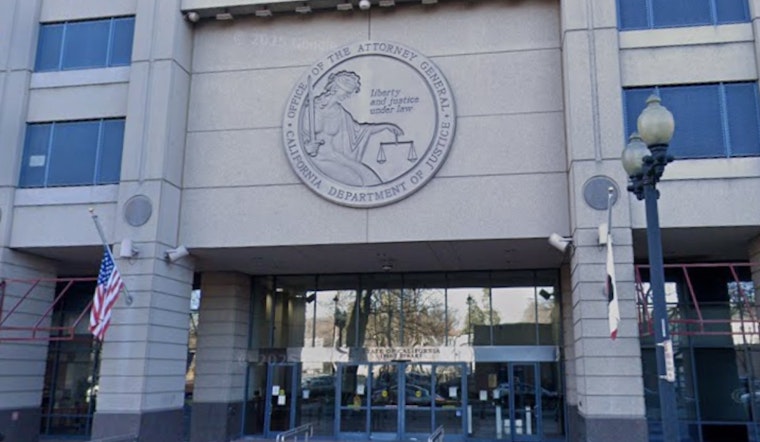
The applicants are framing the proposal under state housing laws that can significantly shorten local review, including Assembly Bill 2011, which creates a ministerial approval track for qualifying commercial‑corridor projects. As explained in guidance from the California Attorney General's office, projects that meet the statute’s affordability and labor rules can avoid discretionary CEQA review and secure streamlined, ministerial approvals. That framework is central to how the Empire plan is being submitted and will shape the timeline and type of review the city can apply.
Local politics and reaction
District 7 Supervisor Myrna Melgar told the San Francisco Chronicle she is backing the basic housing concept, saying, "I want more family housing and I want more rental units specifically, so I’m glad that’s what we are getting." That does not mean the fight is over. Leaders of the West Portal Merchants Association and the Greater West Portal Neighborhood Association have warned they will push back against taller buildings in the corridor and have floated recall efforts tied to broader upzoning debates. Supporters counter that more residents would boost the area’s daytime economy and give older or downsizing neighbors a way to stay near transit and schools without leaving the neighborhood.
Next steps
Preliminary permits are now on file, and the packet includes massing and facade concepts, though full renderings and final cost estimates have not yet been made public, SF YIMBY reports. The developer says it will work with city planning staff through the ministerial review process while it locks in final designs and financing. Neighbors should expect more detailed plans and public notices as approvals move ahead, and market conditions will ultimately decide when, or even if, construction actually begins.
Legal implications
Pursuing approval under AB 2011 reduces the project's exposure to discretionary local land‑use hearings and CEQA lawsuits if it satisfies the law's requirements, based on the statute’s own provisions. The state Attorney General’s guidance also warns cities against using local emergency zoning or procedural maneuvers to evade state housing laws, which narrows the range of legal tools opponents can wield, according to the California Attorney General's office.





