

























































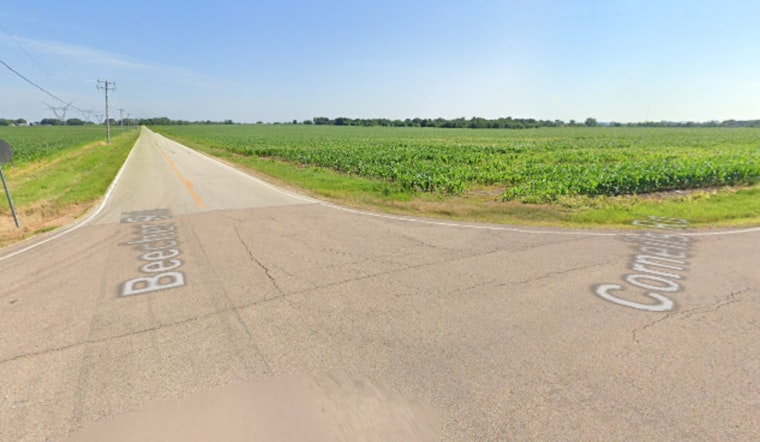
On Jan. 14, Yorkville’s Planning and Zoning Commission refused to recommend rezoning for roughly 130 acres that developers pitched as the site of a new data center campus south of Corneils Road and east of Beecher Road. The move does not kill the project, but it does mean the application heads to the City Council with a tougher path. Neighbors packed the hearing and told commissioners the planned warehouse-style buildings would sit uncomfortably close to the Caledonia subdivision and could bring noise, truck traffic, and elevated energy use.
As reported by the Chicago Tribune, Yorkville City Administrator Bart Olson said the commission’s vote means any rezoning would now require a supermajority of the City Council to pass, with the council tentatively set to take up the issue on Feb. 10. Olson also told the Chicago Tribune that the city has been posting clarifying information about the projects on Facebook to correct misconceptions among residents.
Developer representative Matt Gilbert presented the petition on behalf of Yorkville Nexus V LLC, a Green Door Capital affiliate, asking the city to reclassify three parcels: two western tracts totaling about 91 acres and a 37-acre eastern tract. Under the request, the western parcels would be zoned M-2 general manufacturing, while the eastern parcel would either remain or be designated agricultural, according to the city’s project page. The rezoning would be only the first step, since the developer would still need a Planned Unit Development (PUD) approval before any construction could begin. United City of Yorkville
What the developer proposed
City filings and local reporting describe a concept with two large data warehouse buildings, connected administrative space, room for an on-site electrical substation, and stormwater basins, plus landscape buffers intended to separate the campus from nearby homes. The petition packet and public comments indicate the applicant was offering setbacks and planting buffers to respond to residential concerns, but opponents argued those measures would not be enough to fully shield homes from noise and industrial activity. As reported by Shaw Local, the developer had already scaled back the project footprint ahead of the hearing.
Neighbors pushed for bigger buffers
At the Jan. 14 hearing, multiple residents cited the project’s proximity to the Caledonia subdivision, concerns about low-frequency fan and generator noise, potential pressure on local utilities, and the prospect of falling property values. City staff materials pointed to required landscape buffers and a proposed 500-foot separation in parts of the plan, and the developer agreed to remove the parcel east of Rob Roy Creek from the rezoning request to create additional distance from homes. Those concessions still did not satisfy vocal neighbors, who urged the city to hold firm on setbacks and noise limits.
Where this fits in Yorkville’s buildout
Yorkville has quietly become a hotspot for large data center proposals in recent years, from the nearby CyrusOne campus already approved to larger concepts like Project Cardinal and Project Steel that would convert thousands of acres along the Eldamain/Route 34 corridor into industrial uses. Industry reporting and the city’s planning docket indicate officials have been moving to add and clarify rules for energy-intensive and industrial uses; the issue appeared on the City Council’s June agenda and in project presentations earlier last year. See coverage from DataCenterDynamics and the City Council agenda for June 10, 2025, for additional background. City Council agenda (June 10, 2025)
What happens next
The measure is scheduled for a City Council vote in early February. Because the Planning and Zoning Commission did not recommend the change, city officials say the rezoning would need a supermajority to pass. Even if the council approves the zoning shift, the developer would still have to secure PUD approvals, final engineering signoffs and other permits, steps the project team has estimated would put any construction several years out. The Chicago Tribune noted that the timeline gives residents and the city multiple opportunities to shape any final plan.
For now, the proposal is set to return to City Hall on the council calendar, and the next vote will be a key moment for residents and city leaders deciding how quickly Yorkville’s farmland might turn into another node in the region’s data center network.



