

























































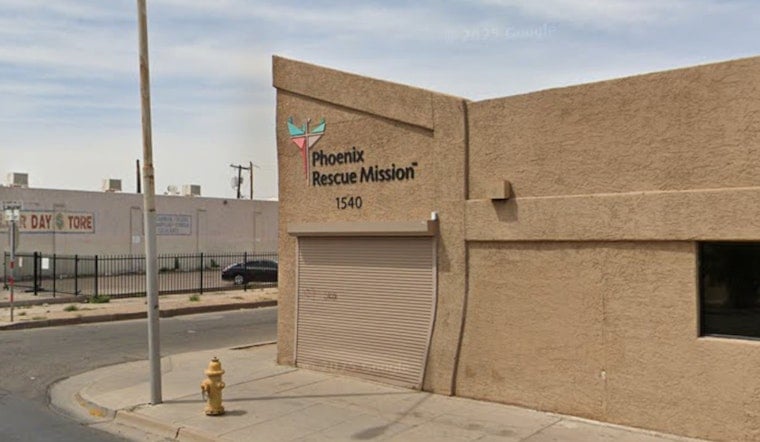
On a recent morning in Phoenix, volunteers with the Phoenix Rescue Mission packed a car with water bottles, hygiene kits, and boxes of Narcan, then headed into neighborhoods where people sleep outside. They tucked overdose-reversal doses and supplies near encampments and handed kits directly to people, their work now looking as much like emergency medicine as traditional charity. For this crew, street outreach has become a daily front line against a spike in overdose harm, they say they are seeing up close, all the time.
Steve Harmon, an outreach worker who has experienced homelessness and addiction himself, spent a shift handing out Narcan and steering people toward services. “It hurts my heart, because I know what the worst-case scenario is,” Harmon told reporters during a ride-along while he passed out naloxone. Federal provisional counts, reported by ABC15, put Arizona among the few states where overdose deaths rose, roughly 20% year over year from 2024 to 2025.
Federal Data And Enforcement
Provisional figures from the CDC show a clear decline in overdose deaths nationally in 2024, a drop public-health officials have linked to wider naloxone access and expanded treatment. At the same time, federal law-enforcement reporting points to record fentanyl seizures, and the DEA warns that fentanyl is now showing up in many illicit substances and that as little as two milligrams can be fatal. Those two trends, fewer deaths nationwide but a growing supply and local spikes in some states, help explain why outreach groups are now walking naloxone door to door.
Street Outreach In Practice
Outreach teams focus first on naloxone, water and basic hygiene items, leaving supplies where people living outdoors can reach them and starting conversations that sometimes open the door to treatment. Phoenix Rescue Mission runs residential programs along with street outreach as part of its services, and the organization posts intake and volunteer information on its public pages. The day-to-day work also helps map where overdoses are happening and, when people are willing, connects them with case managers or shelter intake.
Why Naloxone Distribution Matters
Public-health experts point to naloxone access and community-level distribution as key tools behind the national drop in overdose deaths, while state efforts concentrate on training and targeted outreach. Arizona’s overdose-response work is supported in part through CDC-funded programs and local partners that administer Overdose Data to Action grants, which expand naloxone training and distribution across counties. That mix of targeted funding, law-enforcement focus on supply, and on-the-ground volunteers is what is keeping some Phoenix residents alive when overdoses occur.
If you or someone you know needs help, Phoenix Rescue Mission lists intake and outreach contacts on its site and operates a Rescue-Assess-Place (RAP) line for program entry. For details and help-line information, visit Phoenix Rescue Mission or call the RAP number at 833-HOPE-PHX (833-467-3749).




