

























































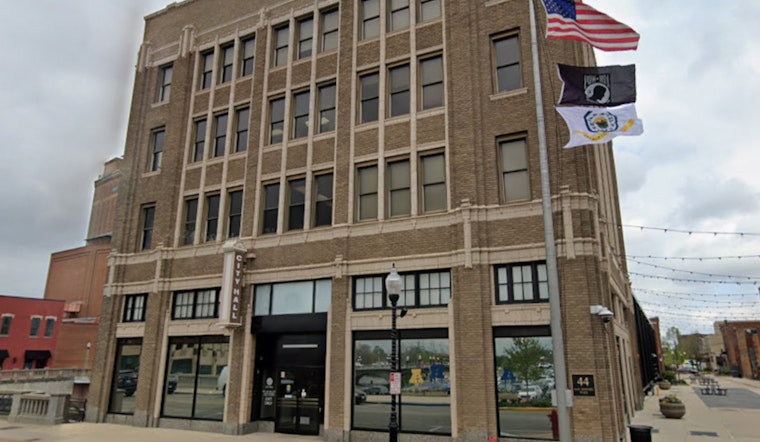
Aurora is officially gearing up to take down its long‑running Central Garage along the Fox River, starting the slow process of clearing a prime downtown riverfront site even though no one at City Hall is ready to say what comes next.
City staff told council committees that Phase II environmental sampling at the nearly eight‑acre property found contamination and that the city will pay for a more in‑depth investigation before any demolition or sale moves forward. The push comes after fleet operations were shifted last year to a new consolidated public‑works campus, and officials say cleanup costs and regulatory reviews will heavily influence whatever ultimately replaces the old complex. For now, they acknowledge there is no concrete post‑demolition plan for the site.
City brings in Rockford firm for deeper site study
According to the Chicago Tribune, Capital Projects Manager Ian Wade told the Infrastructure and Technology Committee that the city has tapped Rockford‑based Fehr Graham for a full Phase II site investigation at an estimated cost of about $135,000.
Wade said earlier samples had already flagged contaminants at the Central Garage property and that the results were “nothing unexpected, but it definitely indicated that there was this additional work that was required.” The Tribune reported that the proposed Fehr Graham contract landed on the city council’s consent agenda, a procedural move that usually makes approval more likely.
Fleet moves out to new public works campus
Operations that once ran out of the Central Garage were shifted in 2025 to a new consolidated public works facility at 2185 Liberty Street, according to the City of Aurora. The city describes the complex as a large, centralized campus meant to bring together maintenance shops, fueling, and fleet services under one roof. Design and construction partners, including Kluber Architects, list the project as completed in 2025.
Riverfront parcel raises big‑ticket questions
The Central Garage occupies close to eight acres along the Fox River, with bike trails running nearby, and the land has already drawn pointed questions from aldermen about its future. Staff told council members that the garage alone accounted for roughly $4.2 million of the repair needs identified across three downtown buildings.
The Chicago Tribune reported that the city completed an asbestos and lead‑paint survey at the site in 2025. During committee discussions, aldermen pressed staff on what might be built there once the old facility comes down. At one session, Brian Caputo said the city “did not have anything concrete for the site’s post‑demolition plan,” according to the Tribune.
What happens next
If the council signs off on the Fehr Graham contract, crews will launch the comprehensive Phase II investigation and define the full scope of environmental cleanup. City staff indicated that actual asbestos abatement and demolition contracts would come later, only after the survey is complete and regulators have weighed in.
Any asbestos removal or hazardous‑soil work will require licensed contractors, advance notifications and regulated disposal, steps that are expected to add both time and cost to the project. Once remediation is finished, the city’s current goal is to prepare the property for the market, but officials say the timing will hinge on testing results, procurement and regulatory review.
Regulatory hoops for asbestos and demolition
Demolition and abatement work in Illinois is subject to a tangle of state and federal rules that call for advance notifications, licensed abatement contractors and regulated disposal of hazardous materials. The Illinois EPA notes that property owners and contractors must file demolition and renovation notifications and comply with asbestos NESHAP requirements, conditions that will help determine Aurora’s cleanup schedule and permitting path for the Central Garage site.



