

























































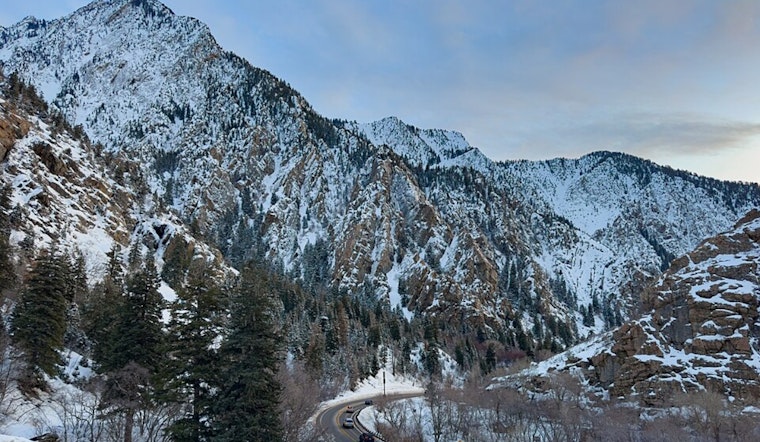
Search and rescue teams spent Saturday scouring avalanche debris in Big Cottonwood Canyon after a slide ripped across slopes near Cardiff Fork, shutting down the canyon and turning a popular winter corridor into an active disaster zone. County and state crews closed both directions of State Route 190 while they moved in on steep, tree-choked terrain where officials confirmed an avalanche earlier that morning.
Where Crews Are Working
According to KUTV, search efforts zeroed in on the Cardiff Fork area after the Salt Lake County Sheriff's Office "confirmed the search operation" but could not immediately say whether anyone was buried or injured. KUTV reported that both directions of State Route 190 were temporarily shut down so helicopters and ground teams could work without vehicles in the way. Local rescue volunteers joined county and state responders as the canyon stayed closed to through traffic.
Later Updates and Casualties
Later reporting from FOX13 said crews recovered at least one deceased person and transported an injured skier after a slide that officials put at about 12:45 p.m. The station noted that a Utah Department of Public Safety helicopter actually set down on the canyon road to help with the response, underscoring how tight and technical the scene was. Media outlets identified one victim by name, while local agencies had not yet released a full incident log or complete details about those involved at the time of the most recent coverage.
Avalanche Conditions and Warnings
The day before the slide, the Utah Avalanche Center issued a special bulletin that put the avalanche danger in the Wasatch at HIGH after a combination of heavy snowfall and strong winds. UAC warned that fresh and wind drifted snow could break deeper and trigger weak layers buried far below the surface, producing large and potentially deadly avalanches. Forecasters urged people to stay off slopes steeper than 30 degrees. The bulletin also referenced multiple fatal incidents earlier in the week and pressed anyone heading into the backcountry to dial up the caution.
Officials and Community Response
Local officials responded with a mix of grief and a renewed push for backcountry safety. As FOX13 reported, Salt Lake County Mayor Jenny Wilson offered "my heartfelt condolences" to those affected and publicly thanked search and rescue crews for working in harsh and hazardous conditions. Backcountry groups and nearby ski areas echoed the message from forecasters, reminding riders and skiers to check daily avalanche forecasts and to carry proper rescue gear whenever they leave controlled resort boundaries.
Advice for Backcountry Users
Avalanche professionals repeat the same mantra for a reason: the safest avalanche is the one you never trigger. Experts advise sticking to slopes under 30 degrees, traveling with a partner and carrying a beacon, probe and shovel on every tour. The Utah Avalanche Center remains the primary reference for current danger ratings and snowpack assessments, and drivers are warned to expect occasional canyon closures whenever mitigation work or rescue operations are underway. The Utah Department of Transportation also notes that avalanche control work and safety closures on SR-190 are sometimes required to protect both the public and those working the slopes above the highway.
Search operations continued into the evening, and officials asked the public to steer clear of the canyon while emergency crews remained on site. Agencies said additional information would be released as it becomes available.





