

























































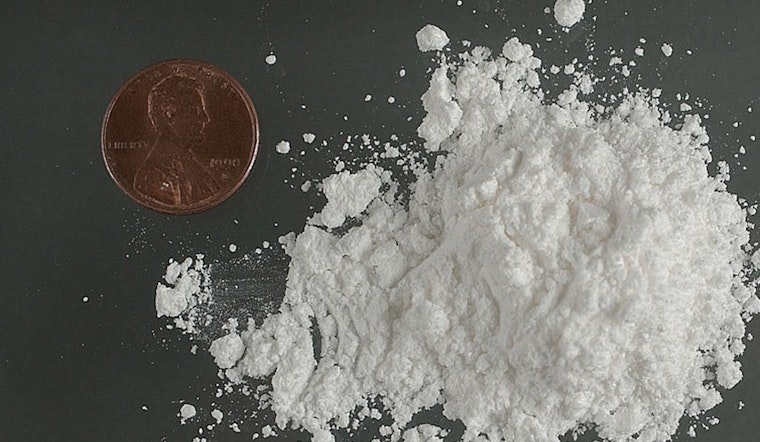
A routine romp at the dog park turned into a near-fatal overdose for a two-year-old husky after he swallowed a napkin contaminated with cocaine. The dog, Nilak, was rushed for emergency veterinary care when he suddenly became unsteady and disoriented. He is now reported to be recovering, and veterinarians are using the scare to warn that even trace amounts of street drugs can trigger severe neurologic and cardiac symptoms in pets.
Owner’s account: a napkin and a close call
Nilak’s owner, Sara Bell, told CBC that the ordeal unfolded just before Christmas. During a walk, the husky managed to snag a napkin off the ground. At first, it seemed like typical dog mischief. On the way home, though, Bell noticed he “started acting funny,” and then he could not steady his head. She drove him straight to a veterinarian.
Bell recalled hearing the vet identify the substance involved and feeling certain she was about to lose her dog before treatment even began. The account and follow-up quotes were later picked up by local outlets that credited CBC, as reported by WJHG.
Why tiny amounts can be deadly
Veterinary toxicologists say the dose of cocaine needed to poison a dog is extremely small, and symptoms can appear fast. Reported signs include hyperactivity, tremors, dilated pupils and seizures. Treatment is largely supportive: decontamination, intravenous fluids, sedation and seizure control. The sooner an animal gets care, the better the odds of a good outcome.
That high-risk profile is outlined by Pet Poison Helpline, which notes that pets exposed to illicit drugs can deteriorate quickly without prompt veterinary intervention.
What to do if your dog scrounges something on a walk
If your dog grabs something suspicious on the sidewalk, clinics caution against trying home remedies unless a veterinary professional specifically tells you to. In some situations, attempting to induce vomiting can actually make things worse.
Local specialty clinics advise bringing any packaging or material you can safely collect to the hospital, telling staff exactly what you think your pet may have eaten, and calling a poison-control hotline or an emergency veterinary clinic right away. Veterinary specialists at Boundary Bay Veterinary Specialty Hospital outline similar steps for suspected drug exposures in pets.
Vets are seeing more of these cases
According to the original reporting, veterinary groups in British Columbia say they are seeing more dogs test positive for multiple illicit substances, often traced back to discarded paraphernalia or contaminated waste in public areas. Those trends, and the growing concern for pet safety, were detailed in coverage republished by WJHG from CBC News.
Nilak’s close call is a blunt reminder to keep dogs on a short leash where trash and debris are common, and to take sudden neurologic changes seriously. The story, widely shared on local TV social pages, has prompted renewed calls from veterinarians for owners to seek emergency care at the first sign that something is off.





