

























































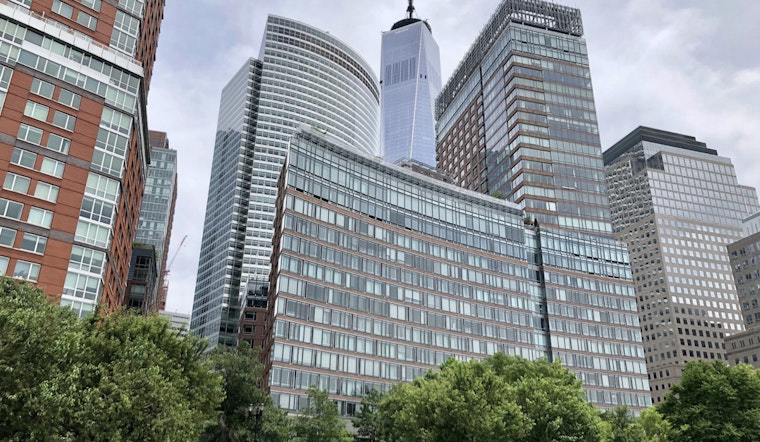
Longtime tenants at Gateway Plaza just scored something almost unheard of in New York City rental life: predictable rent hikes locked in for the next 45 years.
Battery Park City officials have approved an agreement that caps annual rent increases at 2.5% for roughly 430 apartments at the sprawling Gateway complex through June 17, 2069. The protections cover only households that have lived continuously in their units since July 1, 2009, and are aimed at keeping those long-timers from getting pushed out as Downtown prices climb.
In practical terms, a slice of the 1,700-plus unit complex now has a multi-decade shield against sharp rent spikes, while many other apartments there remain fully exposed to the market.
The move is the latest chapter in a long-running fight over Gateway’s affordability. Back in 2020, the Battery Park City Authority announced a deal that preserved rent limits for about 600 long-term households through mid-2030, according to the Battery Park City Authority. Gateway Plaza, a six-building complex from the early 1980s that anchors the southern end of Battery Park City, has been a political flashpoint for years as local leaders tried to slow the displacement of longtime residents.
The authority leans heavily on ground-lease payments and PILOT revenues from buildings like Gateway to fund parks, services and affordability initiatives throughout the neighborhood, which means every deal it cuts there echoes beyond a single address.
As reported by Crain's New York Business, the new agreement with Marina Towers Associates, the ownership group that includes the LeFrak Organization, the Olnick Organization and Fisher Development, formally locks in that 2.5% cap on annual rent increases for qualifying apartments through 2069. The key qualifier is longevity: tenants must have had continuous occupancy since July 1, 2009. Everyone else at Gateway remains on the market-rate roller coaster.
BPCA President and CEO Raju Mann framed the deal as a commitment to the residents who have stuck it out for decades. "Each of them has called this neighborhood home for decades — they've raised families and built lives here. Now, extension of their rent protection can help keep them right here in Battery Park City for the long term," he said in a statement quoted by Crain's.
Owners Face Climate Rules Alongside Rent Caps
The agreement does not just freeze a rent formula and walk away. According to the Battery Park City Authority, the deal also requires regular reporting and capital-investment commitments from ownership that line up with long-term sustainability and emissions goals aimed for 2050.
That approach mirrors other recent ground-lease agreements in Battery Park City, which braid rent stability and long-term financing together with building retrofits and climate targets. The idea is to make sure the buildings do not deteriorate while also pushing owners to invest in energy efficiency and resilience, so their bottom line is tied to the neighborhood’s environmental agenda.
Who Wins, Who Waits
Per Crain's New York Business, only households that have been in place continuously since July 1, 2009 get the benefit of the new caps. At the time of the report, listings at the property showed a small number of available apartments that are not covered by the protections.
That split leaves Gateway with two very different realities under one roof. Long-term residents now have a decades-long guardrail against sharp annual rent jumps. Newer tenants, and many market-rate units, can still see significant increases.
Tenant leaders and local elected officials have called the extension a meaningful, if limited, win. They are already pressing for broader and more permanent affordability tools that would reach beyond the relatively small pool of longtime households and reshape how affordability works across Battery Park City.
For neighbors and policymakers, the Gateway deal lays bare the trade-offs of trying to preserve affordability in private buildings that sit on public land. Targeted protections can stabilize a core group of residents, yet they also highlight how much of the complex, and the neighborhood, still runs on market terms.
Officials say they will be watching the required reporting and capital plans closely. Tenant groups say they will keep pushing for expansions that pull more residents under some form of protection. The next few years will show whether this agreement becomes a template for other Battery Park City buildings or remains a one-off lifeline for a specific group of Gateway old-timers.





