

























































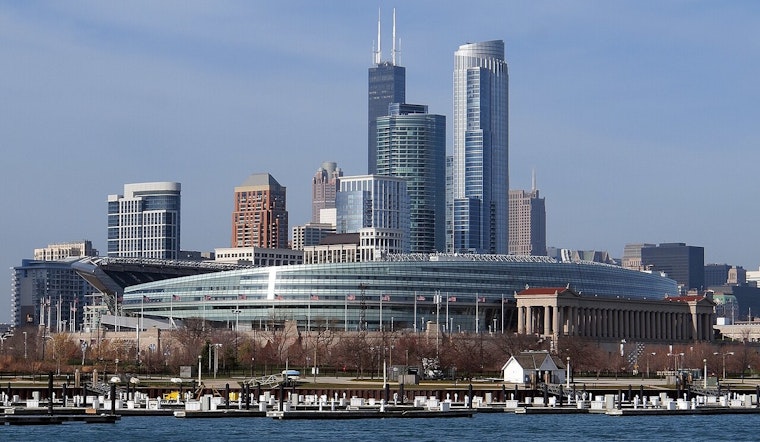
Chicago Bears season-ticket holders are staring down another price hike, with the team telling members on Tuesday that invoices for the 2026 season will climb by an average of 13.5 percent. The jump follows a playoff run that tightened demand and arrives while the club continues its long-running search for a new stadium site. For many fans, it is yet another increase stacked on top of recent bumps that have already made renewals sting.
Team president and CEO Kevin Warren laid out the change in a letter to season-ticket members, saying the new pricing came from "detailed analysis and market research" and pointing out that the Bears are set to host nine regular-season games and one preseason game in 2026, according to the Chicago Sun-Times.
Cumulative increases
For fans doing the math at home, this is not a one-off bump. Last year, the team told subscribers it was hiking 2025 season-ticket packages by an average of 10 percent, according to a letter obtained by CBS Chicago. Before that, the Bears had already implemented an average 8 percent increase in early 2024, according to Sports Illustrated.
Add it up, and some longtime season-ticket holders are seeing a noticeably steeper climb in their total renewal costs over just a few years, even as the team argues the pricing is in line with the broader NFL market.
Ticket demand adds leverage
The Bears have some fresh evidence that fans are willing to pay. Resale markets have pushed single-game and playoff tickets to historic levels in recent weeks, giving the club the kind of data points it can point to when justifying higher face values. The resale average for a recent divisional playoff matchup surged to record-setting territory at Soldier Field, a spike the team cited in its letter as a sign that the market can bear more, according to Axios Chicago.
In other words, if fans are already shelling out big on the secondary market, the franchise appears comfortable capturing more of that value directly.
Stadium plans and the bottom line
The timing of the price hike is not accidental. The Bears are still weighing where they will ultimately play their home games, looking at the 326-acre Arlington Heights property the team purchased as well as potential downtown lakefront sites, the organization has said. The club has also explored stadium options in northwest Indiana while state and local officials debate legislative and tax approaches that could be tied to any move, according to Chicago Bears.
Higher ticket revenue does not decide the stadium question by itself, but it certainly does not hurt the team when it comes to financing and political negotiations.
Season-ticket holders, meanwhile, are being told to watch for more detailed communications on their specific seats and renewal options. The team has emphasized that the 13.5 percent figure is an average and that actual changes will vary by seating category. Fans with questions about payment plans or possible seat adjustments are being directed to contact the Bears ticket office, according to CBS Chicago.





