

























































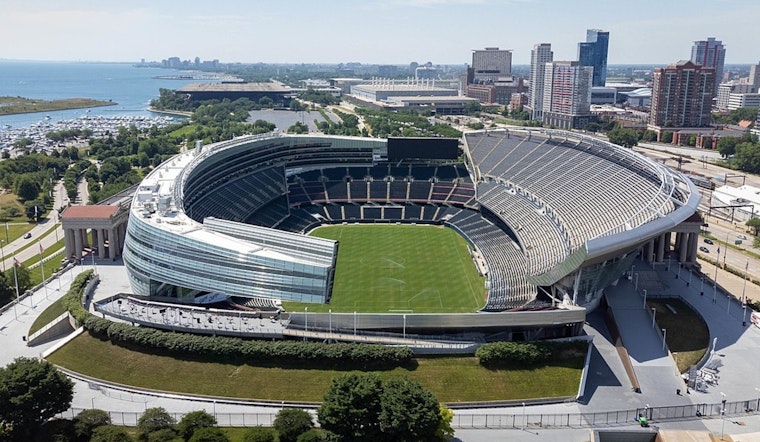
The Chicago Park District is quietly shopping a $630 million plan to turn Soldier Field into a year-round concert and events machine if the Bears bolt, laying out a mix of stadium upgrades and major traffic and parking fixes. The draft proposal, shown to state lawmakers, splits the cost into about $130 million for work inside the stadium and roughly $500 million for surrounding infrastructure. The timing is no accident, as the Bears keep flirting with new stadium options outside the city and park officials prepare for a future where Soldier Field stands on its own.
Park District's $630M Pitch
The draft presentation, which lawmakers have reviewed, packages $130 million in stadium renovations with about $500 million in transportation and parking improvements for a total of $630 million. It suggests that state road-fund dollars could help cover the infrastructure portion. Park District representatives also told lawmakers the Bears would owe nearly $90 million if they break their lease before 2033 and pointed out that large concerts already help fuel the hotel-tax revenue that pays off stadium bonds. As FOX 32 Chicago reported, officials argued that leaning harder into concerts could help cover the existing debt tied to Soldier Field.
Park District Officials' Pitch
Chicago Park District spokesperson Michelle Lemons told park leaders that the agency has to "ensure that Chicago's lakefront stadium continues to serve as a strong public asset" that supports park programs and tourism. Former Park District CEO David Doig, who negotiated the Bears' lease, added that "the future of Soldier Field is very bright, with or without the Bears." Park District figures in the presentation show the team accounts for under 20 percent of Soldier Field's revenue, and district officials say more non-Bears events could boost hotel occupancy and help service the bonds. FOX 32 Chicago reported both the remarks and the revenue breakdown.
Scheduling Limits Could Shift
Right now, the Bears have a five-day scheduling window around home games that effectively blocks other events from being booked during key late-summer weekends. That restriction has forced other tenants, including Chicago Fire FC, to move dates around the NFL calendar. The scheduling rule is detailed in lease documents and coverage reviewed by the Chicago Sun-Times.
Who Would Pay The Bills?
Park District officials also argue that non-Bears events already generate much of the hotel-tax revenue used to pay bondholders, the same revenue source that helped finance the 2003 renovation. The Illinois Sports Facilities Authority still carries hundreds of millions of dollars in bonds tied to Soldier Field and uses a local 2 percent hotel tax to repay them, according to Bond Buyer. The Bears' own stadium FAQ notes that those ISFA bonds are backed by the hotel tax and scheduled to be paid off in the early 2030s, the Chicago Bears say. Analysts have warned that the ramping debt schedule through 2030 could create political headaches if hotel and event revenues fall short.
Where The Bears Stand
All of this lands as the Bears weigh a slate of options that range from a long-discussed site in Arlington Heights to a possible stadium near Wolf Lake in Hammond, Indiana. Indiana lawmakers recently advanced a bill to create a stadium authority that backers say could finance a Bears facility with bonds and new tax districts, as reported by Axios. The Bears praised the move but still have not made a firm commitment, and Illinois officials say negotiations remain very much alive.
What Comes Next
What happens now will depend on Springfield negotiations and the Bears' next move. Lawmakers are weighing potential infrastructure and tax packages while the Park District argues that a Bears-free Soldier Field could pencil out financially if it doubles down on concerts and special events. The current lease runs through 2033, and prior reporting has found that an early exit by the team would trigger a penalty in the tens of millions of dollars, roughly $84 million in one review, even as the city continues to manage stadium-related bond payments. Capitol News Illinois explains the political math now facing state lawmakers.
For the moment, the Park District is laying out its post-Bears playbook, and legislators will decide whether to help fund it. Either way, the future of Soldier Field has shifted from hypothetical debate to a concrete political and financial choice, with hundreds of millions of public dollars on the table.





