

























































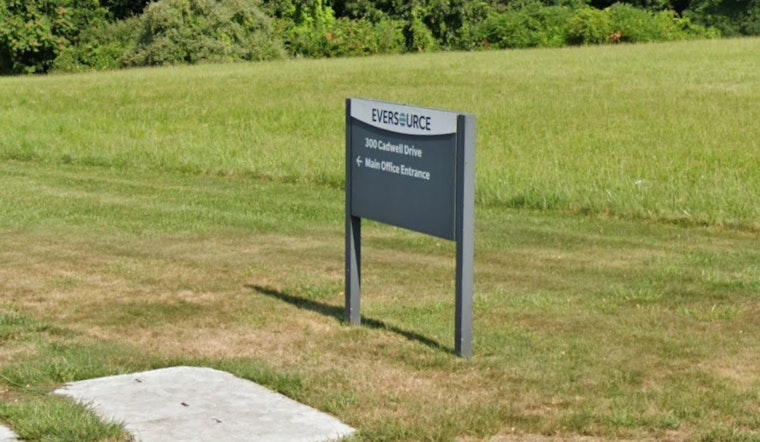
Eversource, New England's largest utility, turned in a blockbuster set of 2025 results: $1.69 billion in net earnings, even as Massachusetts scrambled to blunt this winter's high electric and gas bills. The contrast between rising shareholder returns and household pain has sharpened scrutiny from state leaders and frustrated customers, and it has many wondering who will ultimately foot the bill for the utility's modernization push.
In an earnings filing last Thursday, the company said full-year net income came to $1.69 billion, or $4.56 per share, with non-GAAP recurring earnings of $1.77 billion and 2026 EPS guidance of $4.80 to $4.95 per share, according to Business Wire. Management highlighted a stronger fourth quarter and said underlying distribution and transmission results improved compared with the prior year.
Big profits, big plans
The company rolled out a five-year capital plan that totals about $26.5 billion for 2026–2030, an increase from its prior projection and one the company says will fund reliability and distribution work, per investor materials.
During the earnings call, executives said they plan to boost electric-grid modernization spending by roughly 10% over the next five years, though they did not specify which towns or neighborhoods would get the upgrades, as reported by Boston 25 News.
Why customers are furious
Many ratepayers say the company’s bottom-line gain feels out of step with their monthly bills. Local coverage notes Eversource’s natural gas distribution unit earned about $360.5 million in 2025, roughly 24% higher than the year before, with the company pointing to higher base distribution rates and recovery of infrastructure spending as key drivers.
Reporters also point out that 2024 was weighed down by a roughly $524 million loss tied to the sale of offshore wind stakes, which made the year-over-year rebound look steeper than underlying growth alone.
State steps in
The Healey-Driscoll administration pushed for emergency relief after the spike in household bills and the state applied about $180 million to cut residential electric bills by roughly 25% and gas bills by about 10% for February and March. Utilities also agreed to waive interest on deferred relief, the state says.
Those short-term measures are intended to blunt immediate pain while regulators and lawmakers consider longer-term fixes to rate design and program incentives.
Regulatory fallout
Eversource’s own filing discloses regulatory and settlement impacts, including a charge tied to penalties recorded as part of an NSTAR Gas settlement with the Massachusetts Attorney General in December 2025, and regulators will now weigh how much of new investment is recoverable from customers through future rate cases, per the company’s report.
The coming months will likely include DPU dockets, rate filings and legislative debate over programs that let utilities recover infrastructure spending quickly, a flashpoint in recent criticism.
What to watch next
Eversource told reporters it will focus on reliability, long-term investments and affordability even as it plans financing moves to fund the five-year plan. The company is targeting roughly $800 million to $1.1 billion of equity issuance across the 2026–2030 period, according to investor summaries.
How regulators rule on rate cases, what the DPU requires for customer credits, and how the company prioritizes neighborhood-level upgrades will determine whether the bill for modernization lands mainly with ratepayers or gets absorbed elsewhere.





