

























































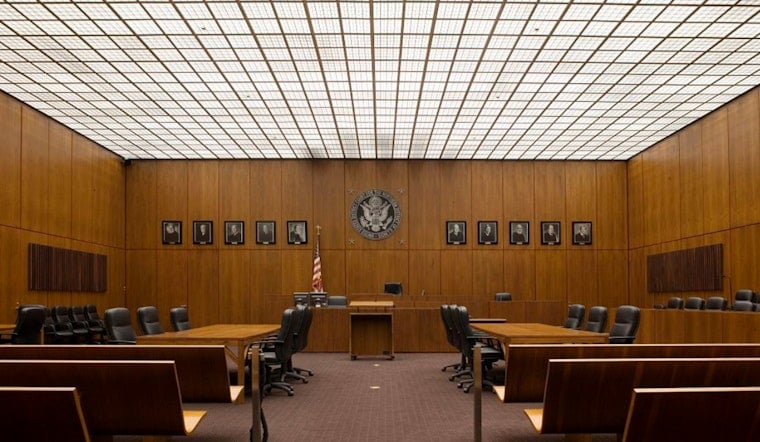
State Rep. Bob Rita took the witness stand Friday in a Cook County courtroom and walked jurors through a string of sexually explicit, digitally altered text messages that prosecutors say were blasted out about him and other local political figures. His testimony came in the trial of former political operative Timothy Pawula, who is accused of transmitting obscene messages and harassing officials tied to a bitter fight over a proposed Tinley Park development. Jurors spent the week seeing exhibits and hearing testimony as the case grinds forward.
What Rita told jurors
Rita testified that one exhibit featured a doctored image that slapped his face onto an altered sexual photograph, and he said the messages left him worried about how widely the image had spread and what kind of damage it could do to his reputation. Prosecutors also showed jurors a message that claimed Ahleah Salefski “lusted for both votes and sexual relations with Rita,” according to an exhibit discussed in court. Those details were reported by the Chicago Tribune.
Forensics and the alleged political motive
According to prosecutors, investigators traced spoofed messages back to specific accounts and found that the campaign-style blasts were pushed out using services designed to hide who was behind them, according to regional reporting. Local coverage has linked the explicit images and mass texts to opponents of a proposed Tinley Park racetrack-and-casino project, suggesting the whole episode was less prank and more political hit. Reporting on the images, how they were sent, and the alleged motive appeared in Casino.org, and court filings cited a phone extraction report as part of the digital evidence, per The Herald-News.
Defense presses free-speech and jurisdiction arguments
Defense attorneys have pushed back, telling the court that at least some of the material at issue amounted to political memes or satire, not crimes, and questioning whether the Illinois attorney general’s office followed proper procedures or even had the authority to pursue related cases. That jurisdiction fight surfaced after a connected Will County case was dropped earlier in 2025, a move reported by Patch. The defense argues that First Amendment protections make the prosecution tricky, while the state insists the texts crossed the line into criminal obscenity and harassment.
What’s next and the legal stakes
Prosecutors have charged Pawula with misdemeanor counts related to transmitting obscene messages and harassment through electronic communications, according to local filings and reporting. Under Illinois law, those misdemeanor offenses can carry penalties of up to six months in county jail and fines that can reach $1,500, as laid out in state statutes. For now, the trial rolls on, and court watchers say the outcome will likely hinge on the forensic trail and on whether the messages are legally obscene or get treated as protected political speech. Readers can turn to the state statutes for the precise legal language that has been cited in court.



