

























































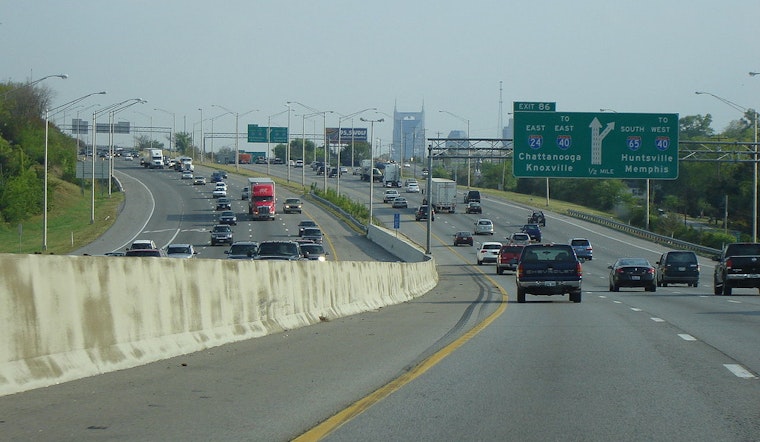
If your commute around Nashville feels rougher and slower these days, it is not just your suspension complaining. Tennessee's public infrastructure backlog has climbed to an estimated $82.7 billion, a price tag that now tops the state's roughly $64 billion annual budget and is increasingly visible on local streets. Drivers report patchy pavement, lengthening drive times, and obvious wear on bridges and neighborhood roads. That backlog is laid out in a five-year inventory that runs from basic road repairs and guardrails to water system upgrades and school renovations that cities and state agencies say still need money.
TACIR inventory: what’s on the list
The total comes from the Tennessee Advisory Commission on Intergovernmental Relations' five-year public infrastructure inventory. TACIR research staff told commissioners the need is $82.7 billion, a figure the report notes is larger than Tennessee's roughly $64 billion annual budget, and that the number has risen for the tenth straight reporting period. Transportation and utilities make up the largest share. The report also notes that only about one-third of the projects currently have funding identified, and unfinished projects are carried forward into future inventories. According to FOX 17, Davidson County alone accounts for roughly $16 billion of the statewide need.
Rising costs, flat fees
State transportation officials told lawmakers that inflation and material price hikes are widening the gap between project lists and available dollars. Since 2019, the price of lead pipe has roughly doubled, and guardrail costs have climbed by about 80 percent, officials said. At the same time, traditional user fees such as gas taxes and vehicle registration have not kept pace, and the General Assembly's shift of tire tax revenue in 2025 only added a modest boost to Department of Transportation funds. Those cost pressures mean crews are often spending more just to complete the same scope of work, which pushes routine maintenance farther down the list, as reported by The Center Square.
What drivers see
On Nashville streets, the backlog shows up as potholes, uneven lanes, and short stretches of road that only get repaired after repeated complaints. Some neighborhoods feel the bumps more than others. "When you get to a certain side of town, it might be a little bumpier than others," resident Thomas Kelly said. Lawmakers at the commission meeting questioned project timelines and heard warnings that it could take more than a decade to move from decision to construction on big road projects. Coverage of the meeting is available from FOX 17.
Options lawmakers are weighing
Lawmakers and agency leaders are now trading ideas that range from short-term cash infusions to fee adjustments and public-private partnerships to chip away at the list. Gov. Bill Lee has proposed one-time transportation infusions in recent budgets, and state officials say private investors are eyeing large projects under the Transportation Modernization Act. A longer TACIR study on sustainable transportation funding was also promised to policymakers later this year. The mix of proposals, from basic maintenance dollars and targeted bridge work to potential tolled or privately financed corridors, reflects both the size of the problem and the limited near term capacity to pay for it, according to reporting by The Center Square.
TACIR's inventory is explicitly a planning tool, not a pledge to fund every line item, and it is meant to help lawmakers decide where to spend, according to the commission's description on its website. Local leaders say Nashville will use the county-level breakdowns to press for maintenance and school renovations in budget hearings this spring. Expect the backlog and the tradeoffs around how to tackle that $82.7 billion list to come up again and again as state and local officials decide which projects finally move off paper and onto the pavement.





