

























































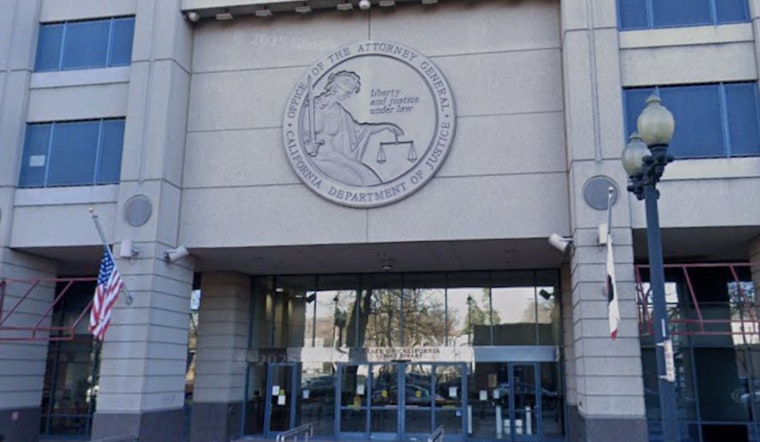
California just took the Biden administration’s vaccine fight to a new level, filing a federal lawsuit that aims to blow up a sweeping rewrite of the childhood immunization schedule.
Today, California Attorney General Rob Bonta and a coalition of 14 state attorneys general, joined by Pennsylvania's governor, filed suit in the U.S. District Court for the Northern District of California. The complaint targets Health and Human Services Secretary Robert F. Kennedy Jr., the Centers for Disease Control and Prevention and acting CDC director Jay Bhattacharya, and asks a judge to throw out a January "Decision Memo" that bumped seven vaccines off the list of universally recommended childhood shots.
"The Trump Administration’s attacks on science are irresponsible and dangerous," Bonta said in a statement from the California Attorney General's Office. The release says the changes were pushed through without the Advisory Committee on Immunization Practices' usual public process and warns the overhaul will drive up state costs, from higher Medicaid spending to new outreach and guidance efforts needed to counter confusion.
The lawsuit zeroes in on a Jan. 5 "Decision Memo" that stripped seven vaccines of their universal-recommendation status: shots for rotavirus, meningococcal disease, hepatitis A, hepatitis B, influenza, COVID-19 and respiratory syncytial virus (RSV), according to the Arizona Attorney General's Office. Plaintiffs also argue that Secretary Kennedy unlawfully gutted and replaced the Advisory Committee on Immunization Practices with appointees who lack the scientific credentials the committee's charter requires. The suit asks the court to declare both the memo and the new ACIP appointments unlawful and to block their implementation.
States Call the Vaccine Reboot Flat-Out Illegal
The attorneys general say the administration skipped basic legal steps. According to the complaint, officials bypassed ACIP entirely, failed to publish required notices in the Federal Register and ignored balance requirements in the Federal Advisory Committee Act that are meant to keep expert panels from being stacked.
Connecticut Attorney General William Tong accused the agency of leaning on surface-level comparisons to other countries instead of new clinical evidence, putting children at risk, according to the Connecticut Attorney General's Office. The states are asking for injunctions and a declaratory judgment that would freeze the new schedule while the courts decide whether it passes legal muster.
How This Vaccine Brawl Got Started
This is not the first time Kennedy's vaccine policies have ended up in court. Legal challenges began in July 2025, when the American Academy of Pediatrics and other medical organizations sued to overturn guidance that removed COVID-19 shots from recommendations for healthy children and pregnant people, as reported by WGBH/NPR.
By February, more than 100 public-health deans, scholars and organizations had filed amicus briefs backing the plaintiffs, according to a roundup from George Washington University. That earlier case has since spawned amended complaints and new rounds of briefing, as the challengers expanded their arguments to take on the January Decision Memo now under fire in California.
What Happens Next
In the background of all this, HHS quietly hit pause on a scheduled Advisory Committee on Immunization Practices meeting amid the mounting legal chaos, AXIOS reported. That postponement delays formal agency action while courts sort through the competing lawsuits.
The states are pushing for fast, aggressive relief. They want orders vacating the Decision Memo and invalidating Kennedy's ACIP appointments, a move that could restore the prior vaccine schedule and keep existing insurance coverage and school-entry rules intact, at least for now.
California’s Next Move
Governor Gavin Newsom has lined up behind the challenge and, according to the California release, has convened a West Coast Health Alliance to coordinate messaging with neighboring states and health providers, per the California Attorney General's Office. State officials say they will continue to follow evidence-based clinical guidance for school and childcare entry, even as federal recommendations are contested in court.
Ultimately, court calendars will decide whether the new schedule survives. A related case in Massachusetts has already drawn a flood of amicus briefs and, as The New York Times reported, a federal judge there has heard arguments in the earlier lawsuit and could hand down rulings with nationwide impact. Until that happens, pediatricians, insurers and families are left to navigate clashing guidance and a legal showdown that will shape how routine childhood vaccines are recommended and paid for across the country.



