

























































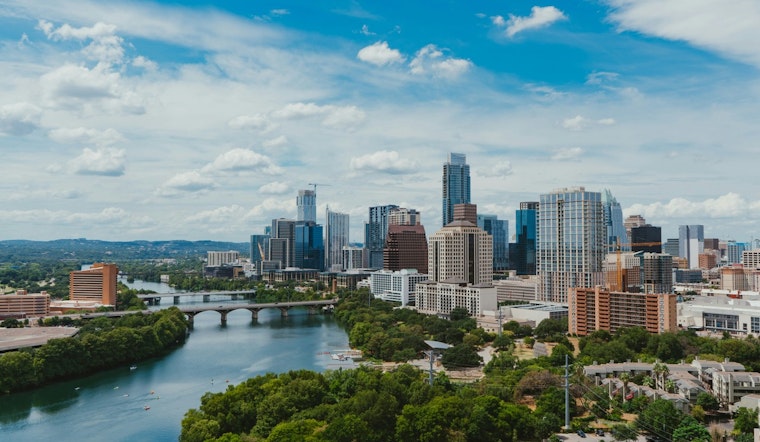
Austin’s latest migration numbers confirm what traffic-weary locals already suspect: the city’s growth is being powered by a blend of out-of-state arrivals and Texans shuffling around inside the state. In 2025, a big share of new Austinites came in from California and Florida, while major Texas hubs - especially Houston, Dallas, and San Antonio - kept sending a steady flow of neighbors. That mix is already reshaping housing demand, school enrollments, and commute patterns across the region.
KVUE broke down the newest local migration snapshot in its "Boomtown 2040" segment on Feb. 10, 2026. Around the same time, a Bank of America regional migration analysis - summarized by HousingWire - found that roughly one-quarter of Austin’s 2025 net new residents came from other major Texas metros, underscoring how much of the city’s growth is intra-state rather than purely inbound from the coasts.
That in-state churn lines up with what moving companies are seeing on the ground. In its U-Haul 2025 Midyear Migration Trends report, the company lists California, Florida, and Colorado as the top origin states for people heading to Austin. Outside Texas, Denver and Los Angeles show up among the biggest feeder metros. Inside Texas, Houston, Dallas, and San Antonio top the list. Local real-estate agents and renters say those origin lists match what they are hearing at open houses and lease signings when inventory tightens.
Why Austin Keeps Pulling Movers
Job growth and a steady stream of corporate relocations continue to do a lot of the heavy lifting. Industry trackers and local outlets report that Austin has attracted dozens of corporate headquarters in recent years, placing it near the top nationally and, in some counts, trailing only the Dallas-Fort Worth area, according to reporting by MySA. That kind of corporate activity helps explain why many newcomers arrive as job hires instead of purely lifestyle adventurers.
What This Means For Renters And Buyers
All that inbound traffic keeps the pressure on housing supply and prices. Market data from real-estate platforms show a rising share of out-of-town home searches targeting Austin, according to Redfin/PR. Local coverage that pulls together U-Haul findings points to ongoing in-state churn and strong demand across the broader region for renters, per the Houston Chronicle, which often translates into tighter leasing markets near major job centers. For buyers, it can mean longer searches and quicker bidding once a well-located listing hits the market.
For now, Austin’s growth looks both durable and uneven: some neighborhoods feel the squeeze as demand stacks up, while others are absorbing new apartments and single-family subdivisions. City planners, developers, and residents will be keeping a close eye on the next round of migration and housing reports to see whether the same mix of origin cities and states holds through 2026.





