

























































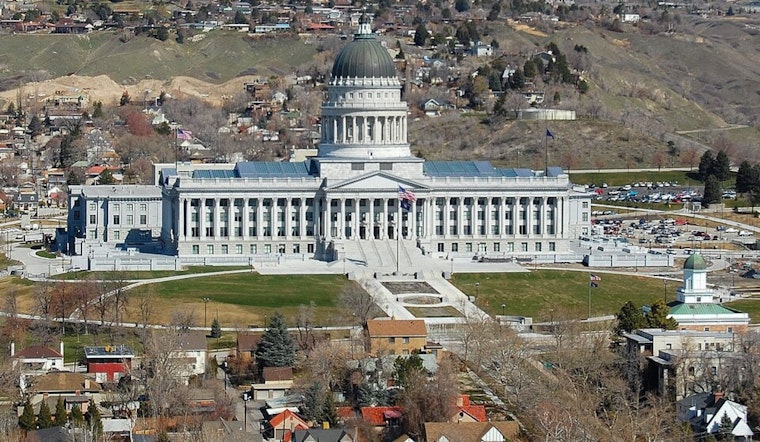
Rep. Ken Ivory has filed H.B. 517, a proposal that would hand state officials broader say over which books and other instructional materials are allowed in Utah public schools and give the state power to go to court when districts are accused of breaking the rules. The bill tightens standards for instructional content and reaches into classrooms, libraries, and online resources. Introduced during the 2026 general session, it is just starting its committee trek through the Legislature.
According to ABC4 Utah, H.B. 517 would add legal protections for the state and allow state officials to sue over alleged violations tied to "sensitive material." Ivory is the bill's chief sponsor, and ABC4 reports the measure was awaiting consideration in the House Rules Committee as of Feb. 10. Sponsors say the changes are meant to protect children and create clearer review processes when materials are challenged.
What the bill would change
Supporters frame H.B. 517 as a clarification and tightening of existing laws that let school leaders remove "pornographic or indecent" material from K-12 settings. As KUER has reported, Ivory has pushed to distinguish "objective" from "subjective" sensitive material so some titles can be removed without a drawn-out review. Backers say the bill would spell out review steps in more detail and extend oversight to both printed and digital instructional resources.
Supporters say it increases transparency for parents
Proponents, including parents and several lawmakers, have told local outlets the changes would make it easier for families to see what their children are being taught and to flag material they believe is not age-appropriate. KSL noted that lawmakers and some education advocates have described the bill as a way to bring uniformity to what has been a patchwork of local decisions. Supporters have argued in committee testimony that clearer standards and procedures will cut down on confusion and better protect students.
Critics warn it could lead to sweeping removals
Critics counter that expanding state power risks overly broad removal of books and will load districts with new administrative and legal burdens. The Salt Lake Tribune has reported that opponents worry a small number of challenges in a handful of districts could trigger statewide removals, shifting decisions away from locally elected school boards. Free-speech and library groups have also pushed back, arguing that the current law has already produced contested lists of titles and confusion over whether students may possess certain books at school, as KPCW has documented.
Legal backdrop and ongoing litigation
H.B. 517 arrives while Utah's sensitive-materials framework is still tied up in legal challenges. Publishers Weekly and other outlets reported that the ACLU of Utah and several authors filed a complaint in January 2026 targeting parts of the earlier law, HB 29, arguing it raises First Amendment concerns. That lawsuit, along with state board guidance, district practices, and future court rulings, could influence how any new oversight or state legal action under H.B. 517 plays out if the bill moves forward.
What’s next
The bill must clear committee review before it can reach the full House, and sponsors have signaled it could be amended during hearings. According to ABC4 Utah, lawmakers, librarians, and parent groups are already lining up to weigh in as the measure works its way through the rules process.





