

























































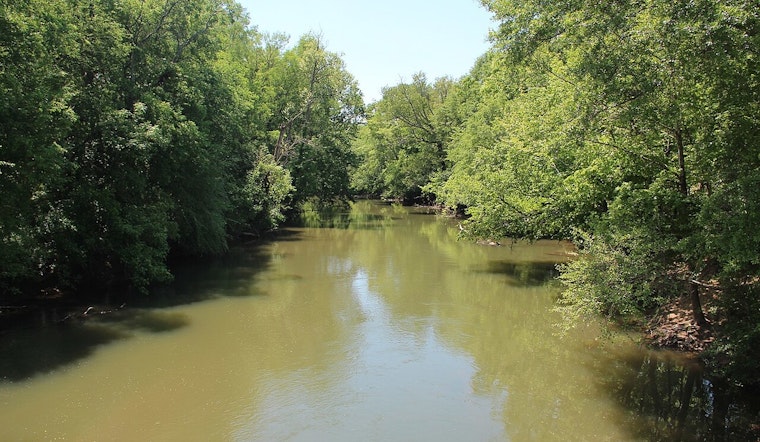
In Calhoun, folks have grown used to creeks running odd shades after a hard rain and farm fields glazing over with a strange chemical sheen. Organizer Kim Chapman and her group, Calhoun: Water Matters, say they have spent years mapping neighbors with unexplained illnesses and tracking private wells that test above safety thresholds. Blood tests and independent lab samples have residents asking whether decades of carpet mill runoff quietly carried PFAS, the so-called "forever chemicals," into their taps. What started as uneasy kitchen-table talk has now spilled into lawsuits, federal testing and tense debates under the Gold Dome.
Investigations Trace Dyes and PFAS to Carpet Mills
A short video and a broader reporting project have documented dyes, coatings and PFAS washing out of carpet mills into the Conasauga River and its tributaries, tinting creeks and leaving contaminated sediment on nearby fields, according to The Atlanta Journal-Constitution. Locals told reporters that storm-fueled flooding keeps that PFAS-laden muck moving from streambeds into pastures and private yards. Shaw and Mohawk have said their suppliers assured them the chemical treatments were safe and that they have phased out PFAS in U.S. manufacturing in recent years.
Blood Tests Flag a PFAS Hotspot in Northwest Georgia
Research and community testing have identified unusually high PFAS levels among residents in northwest Georgia. Emory University-linked testing and local sampling suggested many participants had PFAS concentrations high enough to meet clinical guidelines for follow-up, according to reporting compiled by The Associated Press. The numbers have pushed families and local clinicians to call for broader screening and long-term health monitoring so people are not left guessing about future risks.
Companies and Local Governments Square Off in Court
Mohawk has filed claims against chemical suppliers in an effort to shift responsibility, and local governments and landowners have brought their own suits alleging PFAS contamination from wastewater and sludge fields, according to Securities and Exchange Commission filings and a county news release. Gordon County’s announcement outlines a lawsuit that seeks to recover cleanup costs and shield taxpayers from footing the bill to remediate polluted sites. The complaints argue that treatment plants and land-application systems did not just manage waste but helped spread contamination into waterways that feed downstream reservoirs and drinking water supplies.
State Bill Would Narrow Who Pays
At the Georgia Capitol, lawmakers are pushing House Bill 211, a measure that would define "PFAS receivers" and limit liability for entities that used products containing PFAS. Supporters say the bill would protect local industry. Critics counter that it would cut off communities from seeking full redress, according to Dalton Daily Citizen. The bill was recently yanked from the House calendar and sent back to committee for more work. Residents and advocates warn that narrowing legal options could make it harder to pay for testing, filtration systems and cleanup.
Calhoun Waits for Cleanup While the Rules Shift
Affected towns are moving ahead with more testing, installing reverse-osmosis filtration where they can and negotiating settlements while lawyers press multiple theories of liability in court. The federal playbook is still shifting. The EPA has kept strict limits for PFOA and PFOS but has adjusted parts of its broader PFAS rule and extended some compliance timelines, a move critics argue slows protections for communities already dealing with contamination, according to The Associated Press. Locals say the fight is not going anywhere and will continue in town halls, courtrooms and the statehouse until there are clear cleanup plans, funded testing programs and money on the table to track long-term health risks.



