

























































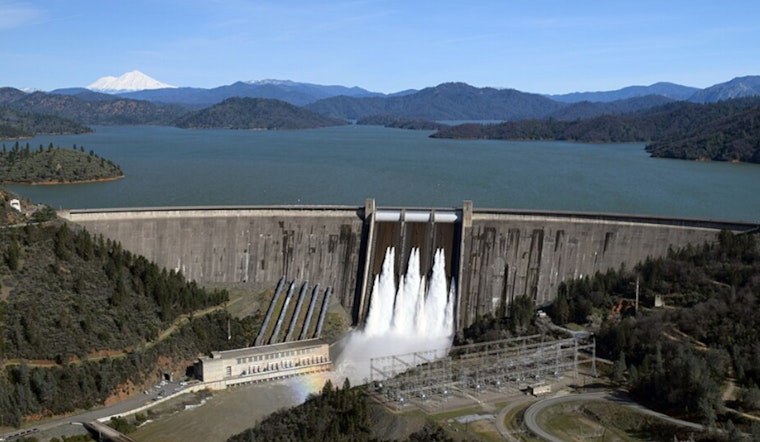
Central Valley farmers are pressing Washington to speed up approval of a plan to raise Shasta Dam by 18.5 feet, saying it would increase water storage and improve reliability for farms and communities in dry years. They’re asking for federal funding, final permits and a formal Record of Decision to move the project forward. Supporters see it as a key water supply boost, while critics warn it could harm parts of the McCloud River, threaten salmon and flood tribal cultural sites.
Growers' push: money and momentum
The latest push is laid out in a letter signed by roughly 135 farmers, irrigation districts and allied groups. They ask President Trump, top Interior officials and budget leaders to pull money from the so-called “One Big Beautiful Bill” and tell the Bureau of Reclamation to wrap up a Record of Decision, according to The San Joaquin Valley Sun.
That letter tracks with recent lobbying by major water agencies and congressional allies who have been pressing the federal government to put real dollars behind new surface storage projects, as reported by The Sacramento Bee.
Where the plan stands
The U.S. Bureau of Reclamation finished a final supplemental environmental impact statement in November 2020 that analyzed an 18.5-foot raise and estimated it would add roughly 634,000 acre-feet of storage capacity, according to the Bureau of Reclamation.
Reclamation’s materials say the supplement updated modeling to reflect more recent biological opinions and clarified how federal wild and scenic river protections factor into the proposal. Even so, turning paperwork into actual construction would still require a willing non-federal cost partner and additional federal sign-offs.
Opponents warn of river, salmon and tribal harms
State officials, tribes and environmental groups are firmly on the other side of the table. They argue that raising the dam would inundate stretches of the McCloud River, harm fisheries and drown sites that are sacred to the Winnemem Wintu tribe.
California’s attorney general secured a 2019 settlement that blocked the Westlands Water District from taking part in planning because of protections for the McCloud. The office said at the time that “this unlawful project would have hurt the McCloud River,” according to the California Department of Justice. Conservation organizations, including Friends of the River, have stayed vocal in arguing that the fallout cannot be measured just in engineering diagrams and dollar figures.
Price tag and politics
Earlier feasibility studies and federal analyses have pegged the construction cost in the low billions. Some congressional and Reclamation documents land near $1.3 billion, while other estimates go higher, highlighting the need for a hefty non-federal cost share.
That kind of money, along with the political baggage that comes with it, is exactly why growers want the White House to tap OBBB funds and speed up federal decisions, advocates told local outlets. Without a strong federal shove, the project risks remaining in planning limbo.
What happens next
The farmers’ letter urges the Office of Management and Budget and the Interior Department to steer OBBB funding toward the project and streamline permitting ahead of key budget calls, according to The Sacramento Bee.
If the White House tells Reclamation to shift from studies to actual construction, the move would almost certainly trigger immediate legal and tribal challenges in California and force another round of negotiations over who is on the hook for the bill.
For now, the growers’ campaign has cracked open an old, unresolved fight over how California should balance new surface storage, river protections and tribal rights, and has dropped the outcome squarely into the grinding gears of the federal budget and permitting process.





.jpg)