

























































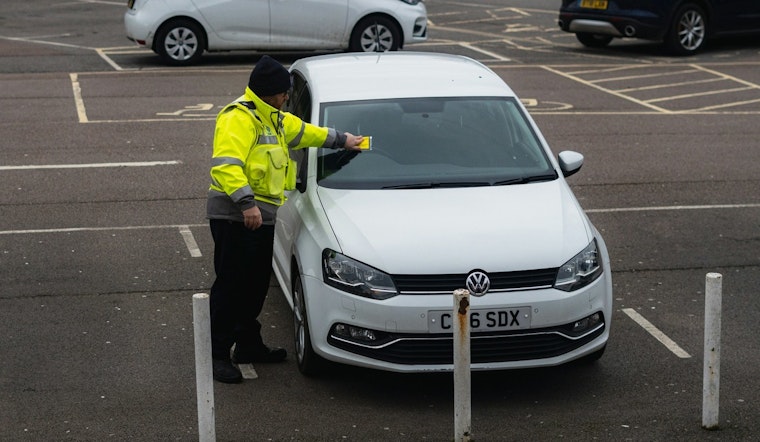
Chicago is a step closer to letting everyday residents turn their phones on lane-blocking trucks and vans. A City Council committee on Monday advanced a revised ordinance that would allow Chicagoans to use cellphone video to flag commercial vehicles parked in bus lanes, bike lanes, and crosswalks. The measure, led by Ald. Daniel La Spata is pitched as a safety boost for riders and pedestrians, while business groups warned it could turn routine deliveries on tight commercial strips into a ticket trap.
The City Council's Committee on Pedestrian and Traffic Safety voted Monday to support the updated ordinance, which would let residents submit recorded evidence of parking violations that block travel lanes, according to the Chicago Sun-Times. The version that cleared the committee narrows the first phase to commercial vehicles only while the city sorts out how the program will actually run.
How the pilot would work
Under the revision, the Department of Finance would stand up a new "Street Operations Task Force" made up of parking enforcement aides, focused on crosswalk, bus lane, and bike lane violations outside the current Smart Streets coverage area. City officials would create a dispatch system so 311 complaints go directly to on-duty aides, rather than disappearing into a backlog. La Spata told the committee, "This dispatch system shall be established before Dec. 31, 2026," and confirmed the program would apply only to commercial vehicles, according to the Chicago Sun-Times. Departments were ordered to provide an update on the first phase by July 2026 and to file another report six months after the dispatch system goes live.
Business and delivery headaches
Retailers and restaurant owners told aldermen they are bracing for a wave of citizen-triggered tickets that could hit drivers who simply have nowhere legal to load. They pushed for exceptions when trucks are actively loading and for warnings on first offenses. Their complaints echo the uproar that followed earlier downtown camera pilots and broader efforts to keep bus and bike lanes clear without choking off curb access. As officials weighed those automated enforcement tests, they repeatedly ran into the same tension, clearing lanes versus keeping businesses supplied, a dynamic detailed in WBEZ's coverage of related pilot work.
Next steps and oversight
The committee's vote moves the ordinance along but does not flip the switch on citizen enforcement just yet. Aldermen said the implementation window is meant to give city departments time to finalize rulebooks, run tests and sort out dispatch workflows. La Spata and his colleagues said those months are also supposed to be used to hammer out practical fixes, from new loading zones to off-peak delivery tactics, and to watch how the first phase plays out.
What critics warn
Transportation research suggests that enforcement alone rarely solves the problem. Automated or citizen-driven reporting can boost the number of tickets, but it can also trigger spikes in complaints, privacy worries and uneven results if not tightly controlled. Technical memos urge cities to pair ticketing with physical protections, targeted loading strategies and clear public reporting on outcomes. For a deeper look at those trade-offs, see the Boston Region MPO research and Streetsblog reporting on similar debates in other cities.





