

























































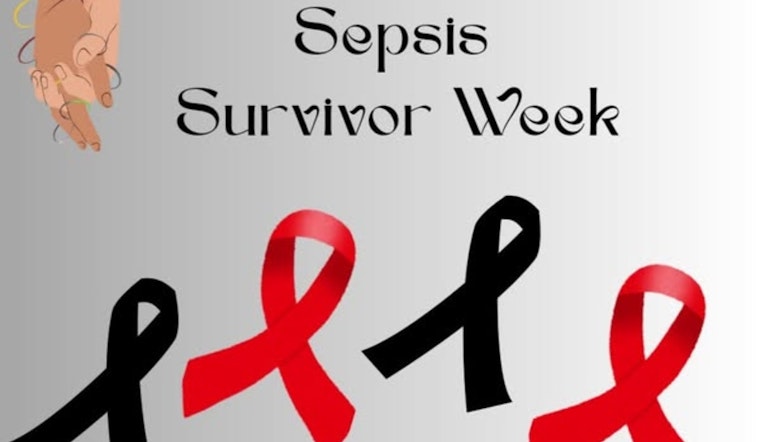
In the heart of the city, the Cincinnati Health Department is shining a spotlight on a critical health issue this week: sepsis. Recognizing Sepsis Survivor Week, the department takes a solemn moment to both honor those who have endured and survived sepsis, as well as to remember those we've lost to this often devastating condition.
According to the Cincinnati Health Department's latest campaign, sepsis is not an ailment to take lightly. It can stem from any infection and rapidly spiral into a life-threatening medical emergency. Tragically overlooked symptoms frequently lead to a harrowing journey for survivors, both in terms of physical healing and emotional recovery. The Cincinnati Health Department shared, "their stories remind us how critical early recognition and rapid treatment are," pointing out the importance of acting promptly when faced with this medical predicament.
The department's mission during this observance is clear: to spread awareness and education. Key to their message is the knowledge of sepsis signs, which they've helpfully detailed in a recent social media post. Essentials to watch for include fever, rapid breathing or heart rate, confusion, severe pain, and pale or clammy skin. The department isn't just proving information; they're advocating immediate emergency care for those who may show signs of sepsis, reinforcing the adage that speed can be a savior in these cases.
Awareness is the line drawn in the proverbial sand against sepsis, and the Cincinnati Health Department is at the vanguard this week. They are standing in solidarity not just with those impacted directly by sepsis, but with healthcare providers who are often the primary defense in identifying and treating the condition. "During Sepsis Survivor Week, the Cincinnati Health Department stands with survivors, families, and healthcare providers," they declared, underlining a communal effort vital not only for survival but for preventative care through early detection and prompt treatment of sepsis.
The reminders and educational efforts by the Cincinnati Health Department have been shared widely online, with many individuals coming forward to share experiences and support. As the conversation around sepsis continues to grow, it becomes ever more evident that awareness, action, and knowledge are critical tools in the fight against this silent killer. And in a community like ours, it's collective action that often proves to be the strongest. To learn more about sepsis and Sepsis Survivor Week, visit the Cincinnati Health Department's post on Facebook.



