

























































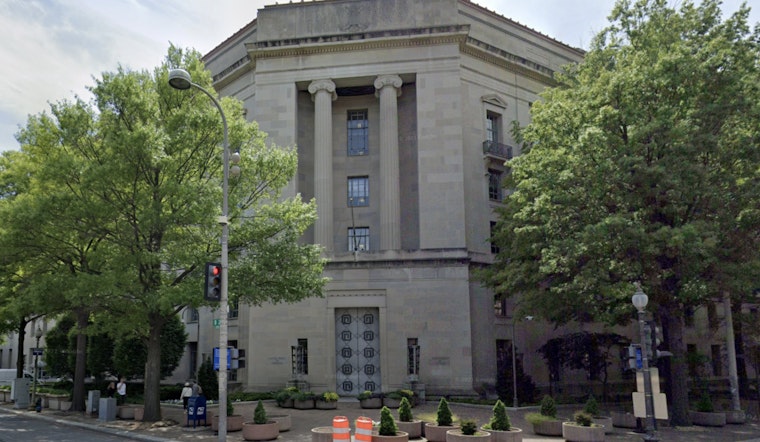
A federal judge in Washington has told the Department of Justice to pick up the pace on records tied to its effort to assemble a national voter database, vaulting a key transparency fight ahead of the usual government backlog. U.S. District Judge Colleen Kollar-Kotelly ordered the agency to fast-track a Freedom of Information Act request from watchdog group Citizens for Responsibility and Ethics in Washington, or CREW, and set a schedule intended to pry loose at least some records before the 2026 election season. The ruling is a partial win for CREW in a broader legal showdown over whether the federal government can collect and centralize sensitive voter information.
In a memorandum opinion issued Thursday, Kollar-Kotelly wrote that the public’s interest in understanding how voter data is being used outweighs the standard FOIA traffic jam, concluding that "delaying a response... would inevitably compromise the public’s interest," according to the Tampa Free Press. She refused CREW’s push for a rigid monthly page quota but told both sides to agree on which types of records should rise to the top of the stack.
What CREW Is Asking For
CREW says it went to court after the Justice Department began asking states for sweeping voter files that could sweep up partial Social Security numbers, driver’s license numbers, home addresses and citizenship status, and then resisted producing documents explaining that effort on an expedited basis, according to CREW. The dispute traces back to Executive Order 14248, a 2025 elections directive that instructed federal agencies to examine state voter rolls; the text of that order appears in the Federal Register.
Where This Fits Into A Wider Fight
The FOIA case is just one piece of a wider brawl between state election officials and the Justice Department. The department has pressed dozens of states for full voter lists and has sued more than 20 jurisdictions that refused to turn over complete files. A tracker maintained by the Brennan Center logs the outreach and notes that courts in California, Michigan and Oregon have already tossed some government lawsuits seeking state voter records.
Privacy And The SAVE Database
Civil-liberties groups have warned that the administration’s expanded use of the Systematic Alien Verification for Entitlements, or SAVE, system could crank up privacy risks if federal agencies start matching citizenship checks to state voter data. The Department of Homeland Security announced an overhaul of SAVE in April 2025 to streamline immigration-status checks and widen agency access, while guidance from U.S. Citizenship and Immigration Services explains how SAVE verifies status for agencies that grant public benefits, according to DHS and USCIS.
What The Court Actually Ordered
Instead of slapping DOJ with a hard processing quota, Kollar-Kotelly instructed the parties to sort out which records are most urgent and ordered them to file a joint status report by March 20, 2026. The Justice Department argued that a requirement to process 5,000 pages per month would "significantly compromise" its ability to handle thousands of other FOIA requests, according to filings highlighted by Tampa Free Press.
Why It Matters
The judge’s order effectively guarantees at least some sunlight on the voter-data effort before the 2026 midterm season, giving researchers, state officials and lawmakers an earlier look at how federal agencies have handled highly sensitive voter information. The clash raises both constitutional and privacy concerns, and earlier rulings by Kollar-Kotelly and other courts have already curtailed parts of the administration’s election directives, according to background reporting from the Washington Post.



