

























































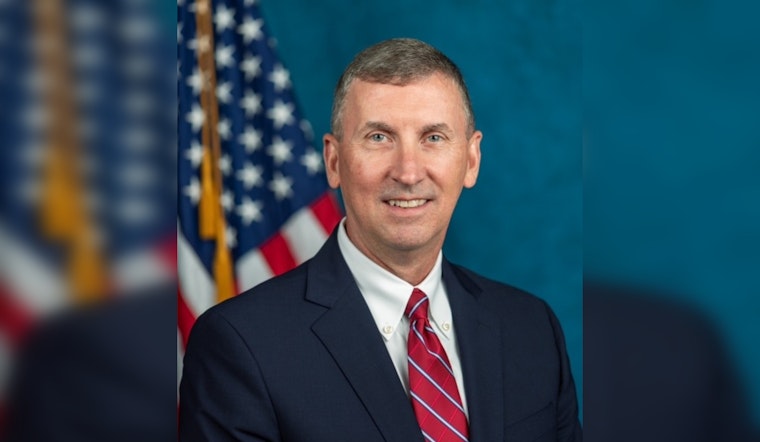
The Justice Department has quietly pulled a personnel "workaround" to keep Charles Neil Floyd, a former Tacoma immigration judge, in charge of the U.S. Attorney’s Office for Western Washington, and the move has set off a full-on legal and political brawl in Seattle. Immigrant-rights groups and some lawmakers argue the reclassification sidesteps the Senate’s advice-and-consent role and risks eroding public trust in the office. Federal judges in the district have signaled they may intervene to decide who actually gets to run the place.
Chief U.S. District Judge David Estudillo has announced that the court will solicit applications and appoint a U.S. attorney this spring, potentially undercutting the Justice Department's stopgap maneuver, as reported by KUOW. Under federal vacancy law, an interim appointee can serve only for a limited period before the district court may step in with a temporary appointment if the Senate has not confirmed a president's nominee.
Floyd, who was sworn in as the interim U.S. attorney in October, previously served as an immigration judge in Tacoma and as an assistant chief counsel with Immigration and Customs Enforcement, according to The Spokesman-Review. He also worked as an assistant U.S. attorney and a judge advocate in the U.S. Army. Supporters say that resume lines up neatly with Justice Department priorities; critics counter that his background connects him to policies they view as overly punitive toward detained immigrants.
Floyd's Record and the Bond Litigation
On the immigration bench in Tacoma, Floyd was associated with a pattern of routinely denying bond to many detained immigrants, a practice that prompted a class-action lawsuit and a favorable ruling for plaintiffs, according to the Northwest Immigrant Rights Project and reporting by the AP. Advocates say the district court decision exposed systemic problems at the Northwest ICE Processing Center and triggered an appeal.
How the DOJ Workaround Keeps Him in Charge
Instead of formally nominating Floyd and seeking Senate confirmation, the Justice Department reclassified his job title to "First Assistant U.S. Attorney," a move that leaves him effectively running the office for now, KUOW reports. Sen. Patty Murray has said she would block his confirmation and called the maneuver something that "spits in the face of the law and Congress," while local advocates warn the tactic risks dragging a traditionally apolitical office deeper into partisan crossfire.
Precedent and Legal Pushback
The Justice Department has used similar title-shifting strategies in other districts, and some judges have not been shy about pushing back. In other cases, courts have disqualified prosecutors or quashed subpoenas tied to contested appointments, according to reporting by the Los Angeles Times. Legal experts warn that if a court later rules an appointee lacked proper authority, actions taken during that person’s tenure could be opened up to challenge.
What Comes Next
Federal judges plan to accept applications and could appoint a replacement who either supervises Floyd or removes him from the top job altogether, a decision that would instantly reshape leadership at the U.S. Attorney's Office. Meanwhile, the appeal of the Tacoma bond ruling is pending before the Ninth Circuit, with oral argument set for March 4, 2026, according to the court docket on Justia. The outcome could influence how the office balances immigration enforcement with due process concerns in the months ahead.
For now, prosecutors and advocates alike are bracing for a prolonged stretch of legal and political maneuvering. Until the court, the Senate, and the appeals process all run their course, the U.S. Attorney’s Office in Western Washington remains under Floyd’s leadership, with the stakes getting higher by the week.




