

























































A proposed landfill on the old Monsanto property near the Duck River in Maury County is now in the hands of a Davidson County chancery judge, who is weighing an appeal after a final hearing this week. The company behind the project wants to reopen and expand a decades-old dump on the site, while opponents insist it sits uncomfortably close to a newly protected stretch of the river. A ruling could come at any moment and will decide whether the proposal heads back to local review boards or remains tangled in court.
Case heads to judge after regional denial
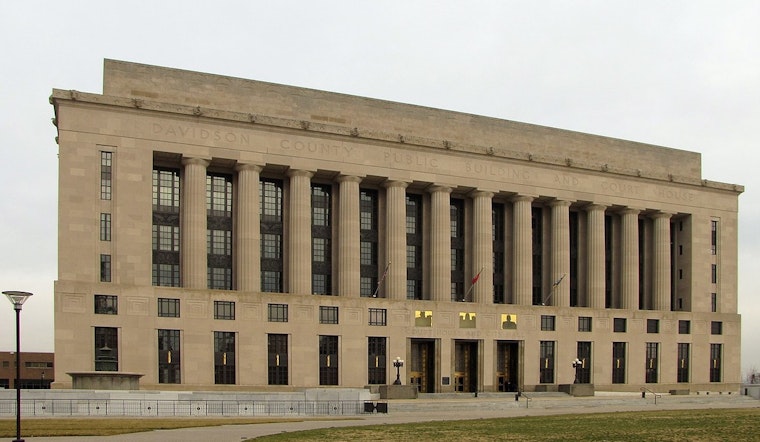
Remedial Holdings, an affiliate of Louisiana-based Trinity Business Group, sued the Marshall/Maury Municipal Solid Waste Planning Region Board after the board rejected the company’s application in April 2023. The dispute landed in Davidson County Chancery Court, where the docket shows a final hearing took place on Feb. 20, 2026, according to the Davidson County Chancery Clerk. In its lawsuit, the company argues the regional panel failed to follow proper procedures when it voted to deny the expansion, a claim detailed by Tennessee Lookout.
What the company is proposing
The application asks to reopen and enlarge the former Monsanto landfill and to accept roughly 1,000 tons of waste per day, with company representatives saying much of that trash would be trucked in from outside the region, according to The Tennessean. Company officials have told reporters they conducted due diligence on the property and maintain that the planned operations can be run safely.
Contamination history and river protections
The site sits on land once used by Monsanto and remains under cleanup orders and land-use restrictions, according to the EPA. Neighbors point to an early-2022 notice of violation over leaking leachate at the existing, smaller dump, and they note that the proposed expansion would be less than two miles from the Duck River. Meanwhile, lawmakers last year extended Class II scenic-river protections along the Duck River, a change environmental advocates say creates new legal and political obstacles for industrial development near the waterway, as reported by WPLN.
Local pushback and political pressure
Local groups, including Protect the Duck and the Tennessee chapter of the Sierra Club, have lined up against the proposal, arguing the landfill could jeopardize drinking water, wildlife, and the rural character of the area. Community organizers and county leaders also helped push through new local rules and state legislation aimed at limiting industrial activity near the river, steps documented by Tennessee Lookout. Activists say the upcoming ruling will be a key test of how courts weigh those local protections against the state’s permitting process.
What happens next
If the judge overturns the regional board’s denial, the landfill proposal could move back into permitting with state regulators. If the denial stands, the company will be staring at steeper legal and political hurdles. Court filings and the docket show the judge is now reviewing post-hearing briefs and could issue an order soon, according to the Davidson County Chancery Clerk. Whatever the decision, more filings or appeals are widely expected, and the outcome will help determine whether Trinity can lean on older permits or must comply with newer local and state limits.



