

























































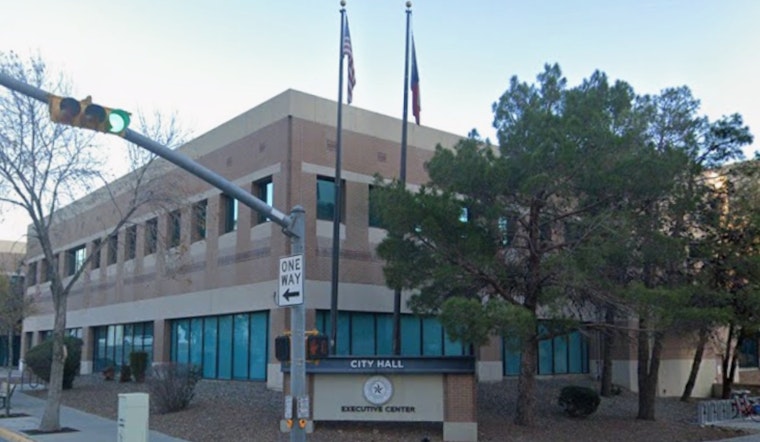
The El Paso City Council is set to vote on Tuesday on a measure that would instruct city staff to begin developing a legal and land-use playbook aimed at preventing Immigration and Customs Enforcement detention facilities from being located within city limits. The move comes as scrutiny of the Fort Bliss detention complex, along with reports that federal officials are eyeing warehouse conversions, has stirred local anxiety. Council members say they want tools ready so the city can move fast if Washington suddenly announces a new detention site.
What the council is voting on
Item 34 would “direct the City Manager, in collaboration with the City Attorney, to develop a plan of action to prevent the installation of any Immigration Customs Enforcement (ICE) detention facilities in the city,” according to KVIA. The proposal calls on staff to coordinate with the County of El Paso and El Paso Water while they explore regulatory, land-use, and legal strategies. It is a planning directive, not an automatic ban, so any actual restrictions would come later, after staff research and formal recommendations.
Who filed it
City Representative Lily Limón placed the item on the agenda, with Chris Canales signing on as co-sponsor, local reporting shows. In an email to the El Paso Herald Post, Limón said she pushed for the measure after learning an ICE facility could be placed in the county. Canales told the paper he is worried ICE might build beyond the existing Fort Bliss site. The ACLU has separately demanded that ICE shut down the Fort Bliss encampment amid reports of abuse and in-custody deaths, a campaign that has sharpened local opposition to any new detention projects.
County and community pushback
At the county level, resistance has been anything but quiet. More than 200 people signed up to speak against a proposed detention project at last week’s Commissioners Court meeting, and many urged officials to block construction, according to KVIA. County leaders told reporters they are skeptical about the cost and the pressure a new center could put on local infrastructure and services. The court took no formal action at that session, but officials say they are coordinating with city leaders on what to do next.
Rumors of a Socorro warehouse
Part of the urgency traces back to local reporting on a rumored three-building industrial property near Gateway Boulevard East in Socorro that residents fear could be converted into a detention or holding site, a concern highlighted by the El Paso Herald Post. City representatives told the paper they have not seen any formal federal filings tied to a Socorro location. Even so, they argue that lining up legal options now could keep the region from being blindsided. ICE has not publicly confirmed that it is pursuing a Socorro site.
Why other cities are acting
El Paso’s maneuver comes as federal officials have reportedly scouted dozens of industrial warehouses across the country as potential detention and processing hubs, according to reporting in The Washington Post. That coverage shows how mayors and city councils from Boston to Oklahoma City and Kansas City have scrambled for legal levers, from temporary moratoria to zoning objections, to slow or block warehouse conversions into immigration detention space.
Legal questions
There are real constitutional limits to how far local governments can go. Federal supremacy gives Washington broad power to carry out immigration enforcement, and courts have at times sided with federal agencies over local objections. Still, some cities are testing the boundaries with local permitting rules, moratoria, and utility control to create obstacles. Kansas City, for example, approved a five-year moratorium on non-municipal detention facilities as officials and residents pushed back against a proposed warehouse conversion, according to the city’s announcement.
If the council approves Item 34, it will not actually stop the federal government from acting on its own. Instead, it would instruct staff to pull together legal and regulatory options and to open talks with the county and El Paso Water, a move city representatives say could at least blunt surprise sitings. How far El Paso is willing to push will come into focus during Tuesday’s debate and public comment, as officials and activists weigh legal fights, coordinated regional pressure, or a negotiated pause in whatever federal plan might be coming.



