

























































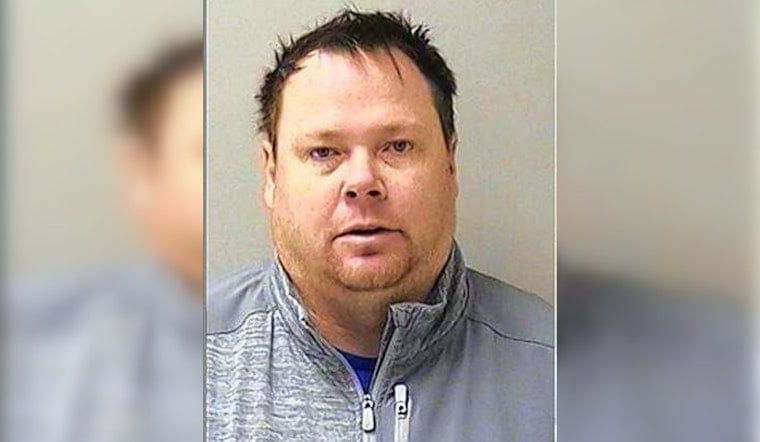
A 45-year-old Elburn man who posed as a teen girl on Snapchat to groom and terrorize children online has been hit with a 37-year federal prison sentence in one of the largest child exploitation cases the Chicago area has seen in years.
Federal prosecutors said Shaun Healy spent years using social media to target almost 100 minors, grooming them, directing them in explicit acts, and then using threats to keep the abuse going. Healy pleaded guilty to federal child exploitation charges, and prosecutors say the case was built largely on what they pulled from his own phone.
U.S. District Judge Sharon Johnson Coleman handed down the 37-year sentence at a Feb. 12 hearing in federal court, according to reporting from the Daily Herald. The outlet reported that Healy pleaded guilty in 2025 to federal child exploitation counts. Federal prosecutors announced the sentence this week, closing a multiyear investigation that pulled in multiple agencies.
How prosecutors say he operated
Authorities say Healy ran his scheme through Snapchat, where he created accounts posing as a teenage girl. According to ABC7 Chicago, he used that fake persona to win kids' trust, then sent graphic, step-by-step instructions telling them how to record sexual acts. When some tried to pull away, prosecutors say he turned to threats, warning he would publish what they had already sent.
Federal prosecutors described a sustained pattern of manipulation and extortion that crossed state lines and, they say, explains how the victim count climbed so high. Each new child drawn into the scheme, they argued, was pulled into the same cycle of trust, coercion and fear.
Evidence seized from his phone
Healy was arrested at his Elburn home in December 2022. During the search, agents seized his cellphone and found what they later described as a chilling level of organization. According to FOX 32 Chicago, investigators uncovered a password-protected album with dozens of neatly arranged folders, each tied to a different child.
Inside each folder, agents said, was a Snapchat username, a photo and a catalog of explicit files. Prosecutors highlighted that album at sentencing, calling it central evidence of how methodical Healy had been. The case was investigated with state and federal partners working together to identify victims and get them support.
Prosecutors' message at sentencing
Assistant U.S. Attorneys Saqib Mohammad Hussain and Elly Moheb did not mince words in their sentencing memo. They wrote that “Defendant is a child predator,” language quoted in local reporting from CBS Chicago. They also stressed that the damage done “will affect them for the rest of their lives.”
Federal officials said the 37-year term reflects both the scale of the online grooming and the intensive investigative work that went into tracing accounts, identifying victims and building a case strong enough to secure a plea and lengthy sentence.
Resources for victims and families
Authorities are still urging anyone who thinks they or someone they know may have been victimized in connection with this type of conduct to come forward. The National Center for Missing & Exploited Children can be reached at 1-800-843-5678 or through missingkids.org, which offers online reporting tools and support.
Tips can also be provided to the FBI or local police, who routinely coordinate with federal prosecutors in these cases. Victim-service organizations and school officials can help families connect with counseling, advocacy and legal resources.
Why this case matters
Prosecutors brought the case under Project Safe Childhood, a U.S. Department of Justice initiative that combines federal, state and local resources to investigate and prosecute technology-facilitated sexual exploitation, according to the DOJ. Project Safe Childhood focuses on outreach, coordination and victim services in online exploitation cases.
Officials say the Healy case is a harsh reminder of how quickly popular apps can be twisted into tools for abuse and why clear, accessible reporting channels and digital safety conversations at home and in schools remain crucial.



