

























































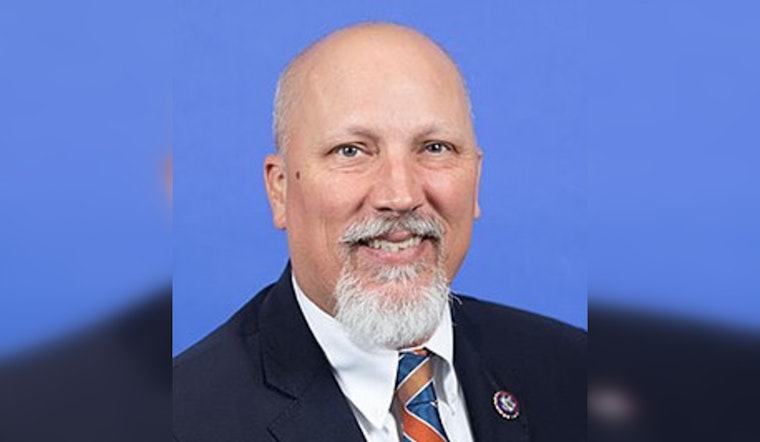
Rep. Chip Roy’s run for Texas attorney general has blown open his 21st Congressional District seat, and the scramble to replace him is on. Fifteen candidates are in the hunt, twelve Republicans and three Democrats, as early voting runs through Feb. 27 and Election Day arrives March 3. The crowded field is forcing campaigns to drill down on hyper-local priorities across the Hill Country and San Antonio suburbs, from anxiety over water use to familiar fights about border security. If no candidate clears 50% in the primary, the top two finishers will head to a runoff in late May.
A packed Republican field
On the Republican side, it is a political crowd scene featuring first-time hopefuls, party veterans and business figures all chasing name recognition. Former MLB star Mark Teixeira has scooped up marquee endorsements, including one from former President Donald J. Trump, according to Mark 'Tex' Teixeira for Congress, and he has out-raised most of his rivals, as reported by the San Antonio Report. A full roster of the twelve Republicans on the ballot, from attorney Daniel Betts and elections lawyer Trey Trainor to business figures Jason Cahill and Weston Martinez, has been compiled by KUT.
Democrats' uphill climb
Democrats are running a smaller slate and facing a steeper climb. Kristin Hook, a scientist and the district’s 2024 nominee, leads a three-person field that also includes Regina Vanburg and Gary Taylor. Observers say Hook’s federal policy experience and prior run give her a head start on name recognition in parts of the district, even as voter registration and past results clearly favor Republicans. The San Antonio Express-News recently recommended Hook as the best Democratic option in the race.
Local issues shaping the race
Closer to home, water is the issue that will not go away. Water access and the controversy over water-hungry data centers have become central talking points in Hays, Travis and Kerr counties, pushing candidates to spell out local plans for conservation and infrastructure. Voters in Dripping Springs and Kerrville have told reporters they want a representative focused on securing reliable water and power, while in San Marcos rezoning requests tied to large server-farm projects have stirred debate. Those local battles are feeding directly into campaign messaging across the district, with candidates tailoring pitches on water, border security and taxes to fit different parts of the sprawling seat, as reported by KUT.
Why the primary matters
The primary is where most of the real action is expected. Partisan arithmetic gives the eventual GOP nominee a steep advantage: President Donald Trump carried the newly drawn 21st District by roughly 23 points in 2024, according to district results aggregated by RightDataUSA. The seat has been in Republican hands for decades, and historical records show it was last held by a Democrat in 1978, per Wikipedia. With a dozen GOP hopefuls splitting the vote, the 50% plus one rule means a May runoff is a real possibility if no candidate can lock down a majority.
What to watch as ballots open
Early voting for the March 3 primary runs Feb. 17 to 27, and Election Day is March 3; if no candidate wins a majority, a runoff is scheduled for May 26, 2026, according to the Texas Secretary of State. Voters in the district should check their county elections offices for polling locations and sample ballots as campaigns barrel into their final days before votes are cast.





