

























































In a move signaling progress toward enhanced aviation safety, the House is set to deliberate on the Senate-approved ROTOR Act, which addresses recommendations from the National Transportation Safety Board following a fatal accident near Reagan National Airport. The collision, involving an American Airlines flight and a U.S. Army Black Hawk helicopter in 2025, resulted in the tragic loss of 67 lives and has since spurred policymakers into action to prevent future disasters, according to the U.S. Senate Committee on Commerce, Science and Transportation.
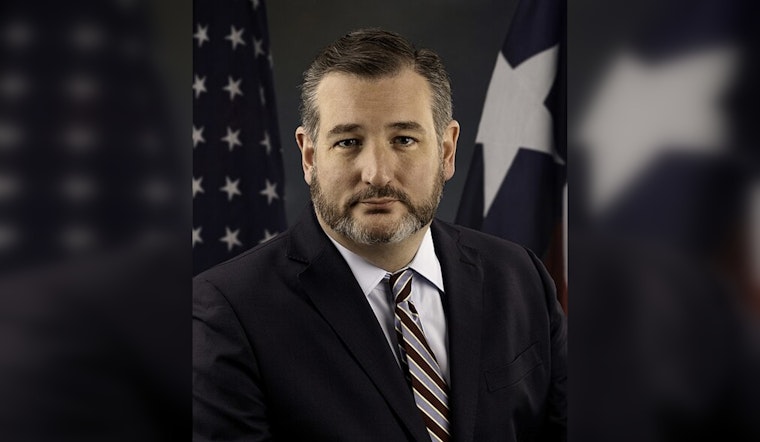
The bipartisan ROTOR Act, championed by Chairman Ted Cruz (R-Texas) and Ranking Member Maria Cantwell (D-Wash.) of the Senate Committee on Commerce, Science and Transportation, seeks to close loopholes in aviation safety; the act mandates the use of ADS-B In technology, allowing aircraft to receive location broadcasts from others in their vicinity, a capability that is currently utilized by many in the general aviation community, the bill received unanimous consent in the Senate last December and is backed by an extensive coalition including bereaved families, safety advocates, aviation businesses, and labor unions as well the support of Trump administration officials, as reported by the U.S. Senate Committee on Commerce, Science and Transportation.
In a joint statement, Cruz and Cantwell expressed optimism regarding the House's upcoming vote: "We are encouraged that House lawmakers are ready to vote to enact the NTSB's post-DCA crash safety recommendations, including the ROTOR Act," adding, "We look forward to the House honoring the 67 lives lost in this preventable tragedy by approving the bipartisan ROTOR Act next week, which the Senate unanimously passed in December, and sending the bill to President Trump's desk," as stated by the U.S. Senate Committee on Commerce, Science and Transportation.
As the nation's lawmakers converge to cast their votes on the ROTOR Act, the implications reach far beyond the halls of Congress, touching the hearts of those who grieve and the fabric of an industry seeking redemption from past failings and the journey toward such redress reflects not merely in legislation but in the promise of a tomorrow safer than yesterday, for in the corridors of power, the echoes of loss have found their voice in the form of policy destined for the presidential seal.





