

























































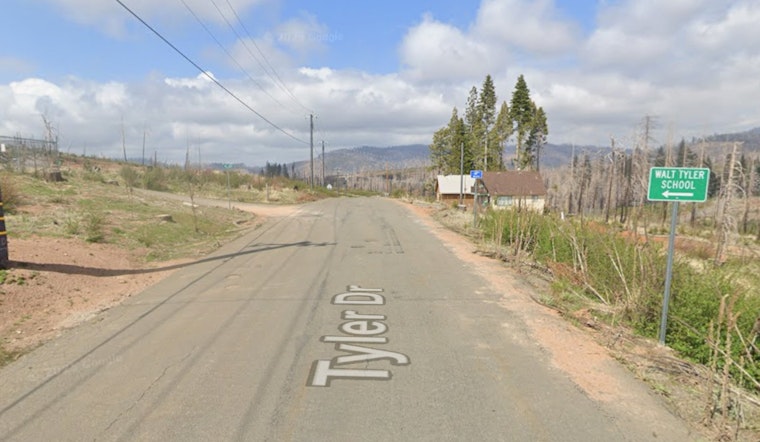
More than four years after the Caldor Fire ripped through the Sierra foothills, the Walt Tyler Elementary site in Grizzly Flats is still just a scraped patch of dirt where a small school once stood. The two-room campus, which was home to roughly three dozen children, now lives mostly in stories and old photos, even as families and district leaders push to bring it back. For this mountain community, the rebuild has turned into a race against time, shrinking budgets, and a recovery that feels stuck in neutral.
District sets April start but warns the money could sink the project
Pioneer Union School District officials say they are aiming to start construction in early April, but the numbers are tight. Rebuilding the two-classroom campus to current code is expected to cost about $9 million and the project is still underfunded. Even with insurance payouts and a FEMA-approved grant, the district estimates it is about $2.5 million short. Chief Business Officer Kelly Howard has warned that the clock is ticking on money already awarded, saying, "If we don't start construction this year, we will lose almost two million of the funds that we have available," as reported by CBS Sacramento.
The school that anchored the town
Walt Tyler was a tiny, two-room schoolhouse built in 1997 that, according to the district’s website, served about 36 students and doubled as a daily gathering place for residents, per the Pioneer Union School District. That role ended abruptly in August 2021, when the Caldor Fire swept through Grizzly Flats and destroyed the campus, part of a blaze that leveled hundreds of homes and community institutions, as chronicled by The San Francisco Chronicle. In the aftermath, state cleanup crews removed hazardous household waste from the school property, and recovery officials documented the damage as part of the larger disaster response, according to Cal OES/DTSC.
Long bus rides replace neighborhood classrooms
With Walt Tyler gone, students now ride a bus down the hill to Pioneer School in Somerset. For some families, that has turned into marathon school days, with commutes stretching up to two hours each way, according to CBS Sacramento. The long haul on narrow mountain roads, especially during winter weather, has raised worries about safety, eaten into instructional time and added strain for parents who used to rely on a neighborhood school just minutes from home.
Why rebuilding a tiny school takes years
District leaders and regional coverage point to a perfect storm of obstacles: updated building codes, soaring construction prices and a grant system that can leave small, rural districts at a disadvantage. Local officials say they are cobbling together every possible funding source, including insurance proceeds, federal grants and community fundraising efforts, while also pressing for outside help to close the remaining gap and finally get shovels in the ground.
What to watch next
If the district can plug the $2.5 million shortfall, construction could begin as soon as April. If not, the project may stall again, and students could be in for yet another year of long bus rides instead of a short walk to class. For now, parents and school leaders say they plan to keep working state and federal channels and leaning on community fundraising, hoping it will be enough to bring Walt Tyler back to the hill.





