

























































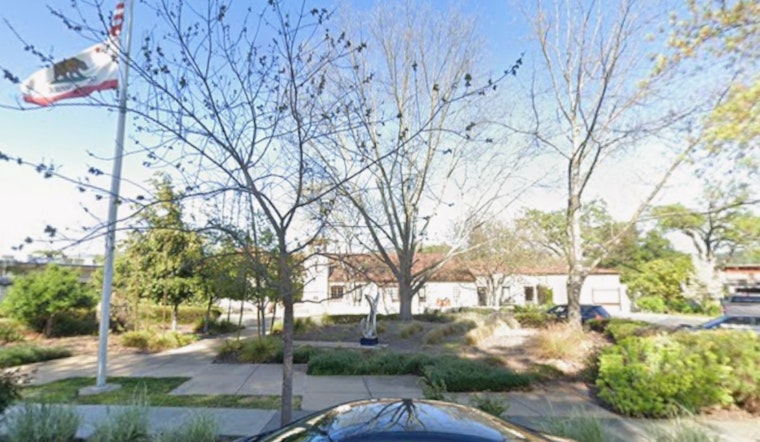
Schmitt Hall was jammed to the walls on Tuesday night as Yountville officials tried to sell residents on the Yountville Commons workforce housing proposal and a lineup of prominent business owners pushed back hard. More than 100 people packed into a town council study session, pressing for specifics on what kinds of units would be built, how parking would work and what the project would actually cost. The clash highlighted a familiar tension in a tiny town that swells with thousands of hospitality and winery workers every day: everyone agrees workers need housing, but not everyone agrees on what that should look like.
Employers Urge A Pause
Local employers, including French Laundry chef Thomas Keller and Ranch Market owner Arik Housley, have publicly urged the town to slow down and rework a plan they say leans too heavily on small studio units with limited parking. “Housing only works if it actually works for the people who live and work here,” Keller said in a Feb. 10 statement, according to the San Francisco Chronicle. Business leaders argue that the baseline concept looks too much like dorm living, with unit types that couples and families are less likely to rent, and they are pushing the town to give more weight to what employers and their workers say they need before financing is locked in.
Town Outlines Plan And Timeline
Town officials reminded the crowd that the site was purchased with redevelopment in mind and has already gone through months of public outreach. The town’s website lists an $11.5 million purchase budget and a string of open houses, study sessions and other meetings. At the study session, staff presented two options for the first phase: a studio-heavy baseline plan and an alternative with more two-bedroom units. Both versions would be built in phases and include shared community spaces along with limited on-site parking. Meeting recordings and agenda packets are available online so residents can review staff reports and financing scenarios before any votes, according to the Town of Yountville.
Costs, Rents And The Shortfall
Staff and consultants also laid out how the money would need to pencil out. The first phase carries an estimated price tag of about $25 million, and the town is considering a $16 million bond along with roughly $5 million already set aside from Measure S lodging tax revenues. Even with that, the project faces a funding gap of about $4.6 million and would generate around $1 million a year in bond debt service, as reported by The Press Democrat. A town consultant outlined target rents, with studios projected at the lower end of the market and two-bedroom units priced higher but still aimed at being affordable for local workers, figures that many employers say do not match what their staff are actually seeking.
Workers Prefer Larger Units
Employers pointed to a survey of employees that one business owner said covered 172 workers and found roughly two-thirds preferred two-bedroom apartments at monthly rents in the range of $1,700 to $2,200. That preference for larger units ran directly against the studio-heavy baseline plan. Those findings, along with employer worries about parking and whether there will be enough family-sized units, were detailed in coverage of the study session by the San Francisco Chronicle. Town staff responded that earlier analyses and town-run surveys show many workers commute into Yountville and that studios help maximize the total number of units and the revenue needed to keep rents in an affordable range.
What Happens Next
The town council is slated to take initial votes on March 17, 2026, with a possible final decision as soon as May, a tight window for both critics and supporters to try to influence the unit mix and the financing plan. Housing advocacy groups have already begun organizing, including a YIMBY Action petition and other outreach urging employers to support faster approvals, and town staff say more workshop materials and agenda packets will be posted before the votes, according to YIMBY Action.





