

























































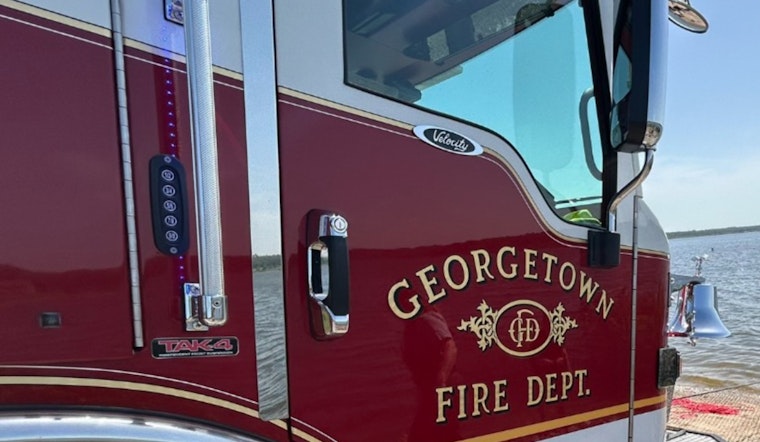
Georgetown is pressing ahead with a new Fire Station No. 8, banking on the project to cut into slow and worsening emergency response times in some of the city’s fastest growing neighborhoods. The new station is part of a broader overhaul that also includes a remodel of Station No. 1, construction of a new logistics facility and a plan to roll out peak‑load ambulances along busy stretches of Highway 29.
More calls, longer waits
Fire Chief John Sullivan told City Council that his department handled about 1,129 more calls in 2025 than in 2024, averaging roughly 80 responses per day. Total annual responses climbed from 22,883 in 2021 to 29,398 in 2025, a surge that has stretched crews and slowed how fast they can get to emergencies.
For priority calls, the department’s 90% response benchmark averaged 10 minutes, 54 seconds in 2025, missing its nine‑minute target. Sullivan delivered the update to the council on Jan. 27, according to Community Impact.
Funding and a short-term fix
Voters in Emergency Services District No. 8 signed off on a 2% sales‑and‑use tax in November 2024 to help pay for new stations and equipment. Officials expect that revenue stream to bring in roughly $4.5 million to $5 million a year for the district.
The money is intended to support more ambulances, engines, and staff as calls keep rising, and ESD leaders emphasize that the funds will be used across the shared city‑ESD service area. Williamson County ESD 8 reports that the current fleet is sometimes fully tied up during peak hours and says additional resources are needed just to keep response times from slipping further.
Where Station No. 8 will sit and what it will do
The city is in the design phase for Station No. 8 and expects the firehouse to open in 2028 at Westinghouse Road and FM 1460, serving a dense, high‑demand area in Georgetown’s southern sector. In the meantime, the plan calls for remodeling Station No. 1 and building a logistics facility to better support crews, while testing peak‑load ambulances along Highway 29 to cover the busiest times of day.
Sullivan also told the council that structure fires rose sharply year over year and that charging damaged batteries, especially when left unattended or pushed past their limits, has been a leading cause of a recent spike in residential fires, according to Community Impact.
Battery fires are a national trend
Across the country, fire officials and federal testimony have flagged lithium‑ion batteries as a fast‑growing cause of dangerous structure fires, from e‑bikes to home chargers. The risk jumps when devices overheat or are damaged.
Federal briefings and testimony detail hundreds of battery‑related incidents and call for clearer public guidance on charging and storage practices, according to Congress.gov. That national backdrop helps explain why Georgetown leaders are putting such emphasis on new stations and short‑term ambulance deployments.
What residents should know and next steps
Design work for Station No. 8 will not be quick. Officials estimate roughly three years from the start of design to opening, which puts the likely in‑service date around 2028.
City and ESD officials say the new funding and operational changes are aimed at trimming long waits in southern neighborhoods and shoring up ambulance coverage during daily peaks. Council members and department leaders plan to return with more specifics on design, procurement schedules, and staffing as the projects move into the construction phase.





