

























































Miami restaurateurs are staring down a set of grease rules that can turn one bad day in the kitchen into a full-blown financial crisis. A single breach in a grease-control device can trigger a complete system overhaul on a tight county clock, transforming what might feel like a routine fix into a bill that knocks a small business off its feet. Miami-Dade’s code sets strict deadlines and demands professional sign-offs for FOG (fats, oils and grease) generators, and commissioners have ordered a fast review to see whether enforcement has gotten out of proportion for smaller operators. For businesses that already pay for regular pumping and licensed haulers, the gap between a repair and a full replacement can be the gap between staying open and shutting the doors.
The Board of County Commissioners has not waited around. It directed the mayor’s office to study whether the FOG rules can be “implemented or enforced in a manner that is less financially burdensome” and, according to Community Newspapers, shortened the original 90-day reporting window to 60 days. The resolution instructs the mayor to work with the EPA and the Florida Department of Environmental Protection and to come back with a written report recommending any changes. The formal paperwork for that study sits in the county’s legislative record; see Miami-Dade County for the full language.
What the code requires
County law spells out the timeline once a FOG control device is breached. Temporary repairs have to be made within seven days. A plan for permanent fixes must be submitted within 30 days. Approvals and installation are supposed to be wrapped up within 90 days, unless the county allows otherwise. On top of that, every FOG generator has to file an annual certification prepared by a Florida professional engineer or licensed plumber stating that the device is working as designed. All of this lives in Section 24-42.6, which was adopted to prevent sewer overflows and protect drinking-water infrastructure, according to the Miami-Dade County Code.
The money side is where restaurant owners say the rules really bite. A Help Me Howard segment followed an owner who was told a grease interceptor upgrade could cost nearly $30,000, a number that can sink a mom-and-pop shop; WSVN aired that report. Local reporting and industry sources also estimate that routine pumping, hauler fees and the price of those annual professional certifications can add up to more than $2,000 a year for many establishments, a figure noted in Community Newspapers. That math is what has commissioners asking whether the county can still protect public health without handing every small kitchen the same heavy capital bill.
Legal implications
Falling out of compliance is not just a slap-on-the-wrist situation. Violations can lead to administrative penalties and permit revocation, and the county can order a facility to stop operating or cut off water service if prohibited discharges keep happening. Those enforcement tools are written into the FOG code and create real business risk for operators who fall behind on cleaning, recordkeeping or professional attestations, or who file falsified reports. Regulators point out that the rules are tied to the county’s obligations under a federal consent decree, which is why they argue that strict standards are necessary to keep sewage out of streets and waterways.
What operators can do now
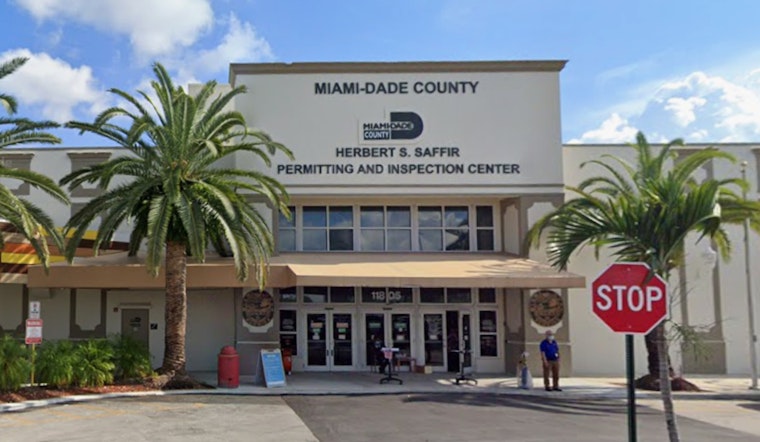
For now, operators are being told to tighten up their paperwork and maintenance. That means confirming that they hold a current FOG Discharge Control operating permit, keeping manifests of every liquid-waste pickup and lining up a permitted liquid-waste transporter before an inspector knocks on the door. Miami-Dade’s permitting page lays out application checklists, fee schedules and local permitting centers and walks owners through variances and permit renewals; see Miami-Dade Regulatory and Economic Resources for details. In many cases, a condition assessment signed by a licensed plumber or Florida professional engineer is the first step to showing that existing equipment is working and that a full replacement is not needed. Starting the paperwork early and documenting everything, from permits to manifests to professional certifications, is key because that is exactly what inspectors will ask to see.
The county’s 60-day study window gives restaurants and other operators a brief opening to push for changes such as graduated enforcement, clearer paths to variances or different treatment for septic properties versus sewered ones. Trade groups and small-business owners are expected to argue for grandfathering or phased compliance while DERM and the mayor’s office weigh those ideas against the consent-decree obligations. In the meantime, the safest move for kitchen operators is to keep maintenance current, hang on to those professional attestations and budget for the hard edges of the system, because regulators still have the authority to shut a kitchen down for persistent discharges.





