

























































Oklahoma lawmakers are one floor vote away from deciding whether fentanyl lessons become a standing assignment in middle and high school classrooms across the state. House Bill 1484, known as Rain's Law, would require yearly, research-based instruction on fentanyl and drug poisoning awareness for students in grades six through 12, and it has already cleared every committee hurdle on its way to the Senate floor.
As reported by News 9, the push is rooted in the 2023 overdose death of 19-year-old Rain Reece. Her mother, Karla Carlock, told the station she found Rain unresponsive at home, her schoolwork still open and the family dog beside her, and has since turned that loss into a campaign to make prevention a standard part of what students learn.
What the bill would require
According to the bill text on the Oklahoma Legislature site, HB 1484 directs districts to provide annual instruction for students in grades 6 through 12 on fentanyl abuse prevention and drug poisoning awareness. The plan calls for lessons that include suicide prevention, addiction and health information, strategies to avoid fentanyl use, and guidance on how to connect with local school and community resources.
Why supporters say it is urgent
Backers of the bill point to a sharp rise in fatal overdoses as their main talking point. Data on Oklahoma.gov and local reporting show fentanyl-involved deaths climbed into the high hundreds in 2023, around 700 lives lost, a spike that advocates say makes getting in front of kids in the classroom less of an option and more of a necessity.
Sponsor's pitch and the science
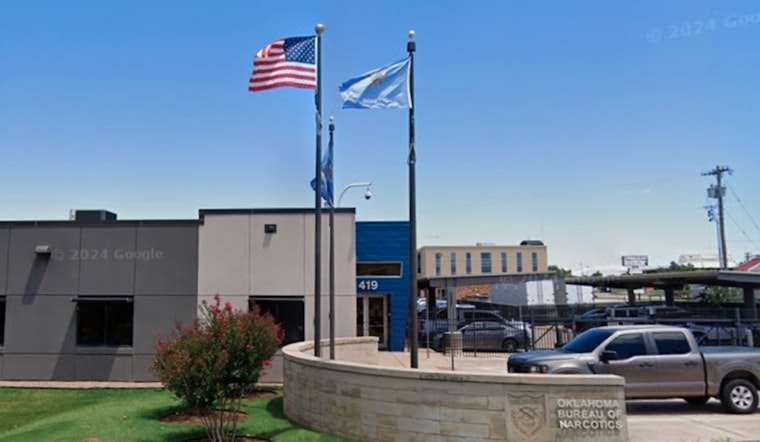
Sen. Darrell Weaver, the Senate author of the bill and a former longtime director of the Oklahoma Bureau of Narcotics, has cast Rain's Law as a straightforward response to those numbers. In a statement quoted by News 9, Weaver said fentanyl is 50 times stronger than heroin and up to 100 times stronger than morphine, a range that federal public health officials have echoed. The CDC and other agencies stress that fentanyl's extreme potency means even very small amounts can be deadly.
Where the bill stands now
HB 1484 cleared the House last spring, then moved through the Senate Education Committee before landing on the Senate general order, according to LegiScan. The measure now sits on the Senate floor and needs one more yes vote before it can head to the governor's desk.
Implementation questions
The bill includes an emergency clause and language that would make it effective immediately if it is signed, which would put pressure on the State Board of Education and local districts to move quickly on new curriculum standards. Lawmakers and educators say the real test will be in the details, including teacher training, lesson materials and funding, and those nuts and bolts conversations have already started at the Capitol.
If the Senate approves the bill, it will go to the governor and, with a signature, would take effect under the emergency clause. Supporters argue that putting fentanyl education directly into classrooms could give students and families clearer information about the drug's risks and where to find help, and they hope that will prevent future losses like the one that gave Rain's Law its name.




