

























































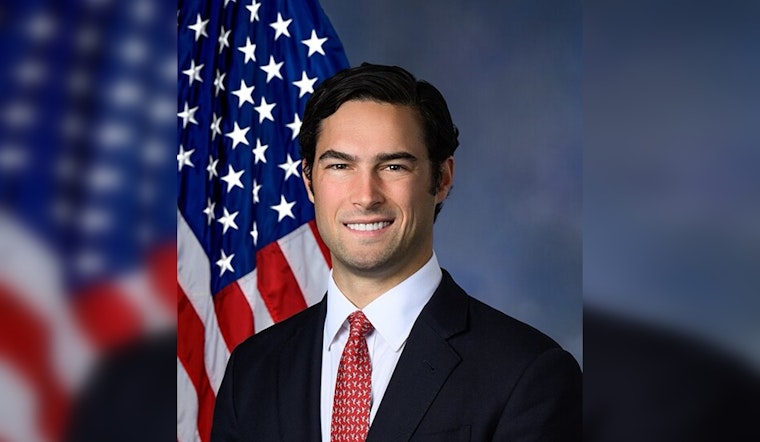
Washington, D.C. residents and businesses could soon be seeing more money in their pockets after the House of Representatives passed a resolution aimed at countering the District's recent tax legislation. As reported by the House Committee on Oversight and Government Reform, H.J.Res. 142, spearheaded by Representative Brandon Gill (R-Texas), sets its sights on preserving the full tax benefits brought forth by the Working Families Tax Cuts Act (WFTCA) for District denizens.
The move comes as a response to the D.C. Council's attempted enactment of a legislation that would decouple local tax codes from certain federal provisions under WFTCA. Critics, including House Committee on Oversight and Government Reform Chairman James Comer (R-Ky.) and Rep. Gill, perceive the Council’s actions as a potential deterrent to economic growth and prosperity for residents, deeming it "a disingenuous cash-grab at the expense of American taxpayers and businesses." In the words of Chairman Comer, obtained by the Oversight Committee's press release, "D.C. residents, like the rest of the country, should be able to experience the full benefits and relief this historic tax reform brings."
Rep. Gill echoed Chairman Comer's sentiment, praising former President Trump for cracking down on the potential for a monumental tax hike and ensuring Americans received significant tax relief. "The DC Council’s actions would block DC residents, namely service workers, from receiving these federal tax credits," Rep. Gill said in a statement acquired by the Oversight Committee's press release, rounding up his stance with his intent to collaborate with Sen. Rick Scott of Florida to protect the tax cuts established by the former administration.
The specific federal relief measures that the D.C. legislation stands to affect include an array of tax benefits such as the increased standard deduction, the No Tax on Social Security for seniors, expensing of a business’s domestic research, and the qualified small business stock gain exclusion among others. As articulated by the supporters of H.J.Res. 142, these benefits aim to bolster take-home pay for individuals, families, and foster business investment within the United States. The resolution garnered endorsements from various organizations such as AMAC Action, the America First Policy Institute, and the U.S. Chamber of Commerce, who represent a diversity of sectors and interests.
Yet, Congress must act by February 23, 2026, if they are to officially block the D.C. Council's legislation from taking effect, setting a critical deadline for this tug-of-war over tax policy. The outcome could signal either a reinforcement of federally backed economic relief or a pivot towards local autonomy within the realm of taxation for the District of Columbia's residents and commercial entities.



