

























































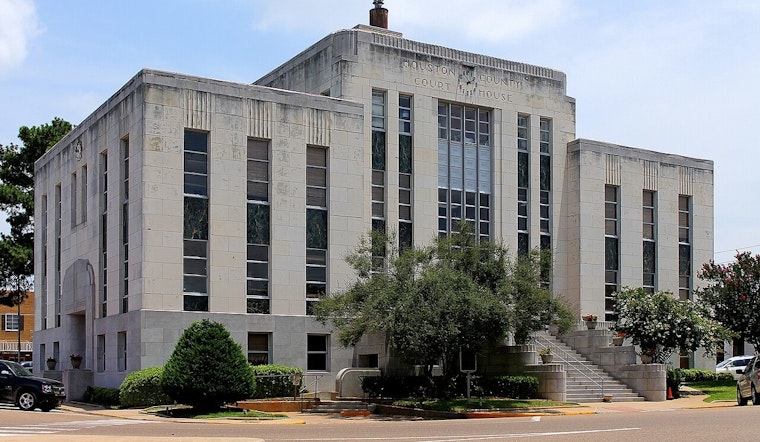
A Houston defense attorney says what he thought was a simple paperwork exchange during a courthouse visit last November was actually part of a synthetic drug smuggling operation aimed at the Harris County Jail. Investigators now link that single sheet of paper to a wider effort to push potent "K2" into the lockup. The attorney maintains he believed he was just passing along phone numbers and has not been charged.
According to a newly unsealed search warrant, undercover deputies watched a man identified as Edward Brown walk into a courtroom on Nov. 19 and hand a sheet of treated paper to attorney Tucker Graves, who then passed it to his client, Byron Moses. Graves was representing Moses on drug and weapons charges, and investigators later built a case against six people they say are tied to the suspected distribution network, according to ABC13.
Graves told Eyewitness News he had no idea the page tested positive for a synthetic cannabinoid and said he believed Brown was giving him phone numbers connected to a gun's ownership. Brent Mayr, president of the Harris County Criminal Lawyers Association, told the station this kind of move is "becoming a prevalent thing" and advised attorneys to photocopy originals before handing anything to inmates to shield both lawyers and clients. ABC13 reported the comments.
Investigators Say Smuggling Network Reached Jail and Courtroom
Prosecutors and sheriff's investigators describe the episode as one piece of a broader operation involving people who treated ordinary paper with narcotics and, in some allegations, jail staff who helped move contraband. Court documents summarized in local reporting say one person named in the filings cut strips of treated paper, tested potency by smoking samples and even offered samples at a corner store. Records list that person as Meagan Henderson and show she had outstanding warrants in another county. Similar manufacturing and distribution patterns inside the jail were documented in earlier reporting on related probes. Houston Public Media noted how treated paper has circulated in past investigations.
Not an Isolated Problem
Smuggling narcotic-soaked paper into the Harris County Jail has surfaced repeatedly in recent years, in cases involving visitors, attorneys and jail employees. Coverage by the Houston Chronicle documented earlier incidents that pushed the sheriff's office to tighten how documents and legal mail enter the facility, changes that remain a sore spot between jail officials and defense lawyers.
What Lawyers Say They're Doing Now
Local defense leaders say a practical workaround has taken hold: photocopy any document before giving it to a client and discard the original. They argue it protects attorneys and clients but also creates new headaches for attorney-client privilege and case prep. Those concerns have prompted bar groups to press sheriff's officials for policies that block contraband without undermining confidential communications, a debate covered in recent local reporting. allegedly orchestrates drug-laced paper scheme and other outlets have tracked how those policy choices continue to evolve as investigations move forward.
Investigators say their work is ongoing, some suspects are still at large and prosecutors are reviewing additional evidence from the same inquiry. Officials with the sheriff's office did not immediately provide a comment to news outlets, while defense groups and local attorneys say they will keep urging caution whenever paperwork is exchanged with incarcerated clients as the case develops.





